THOMAS KESSLER
RENATA KOLWICZ
"MOVE"
Feb 20 - Apr 09, 2026

ARTIST DUO
THOMAS KESSLER
RENATA KOLWICZ
"Move"
Feb 20 - Apr 09, 2026
move. / in motion
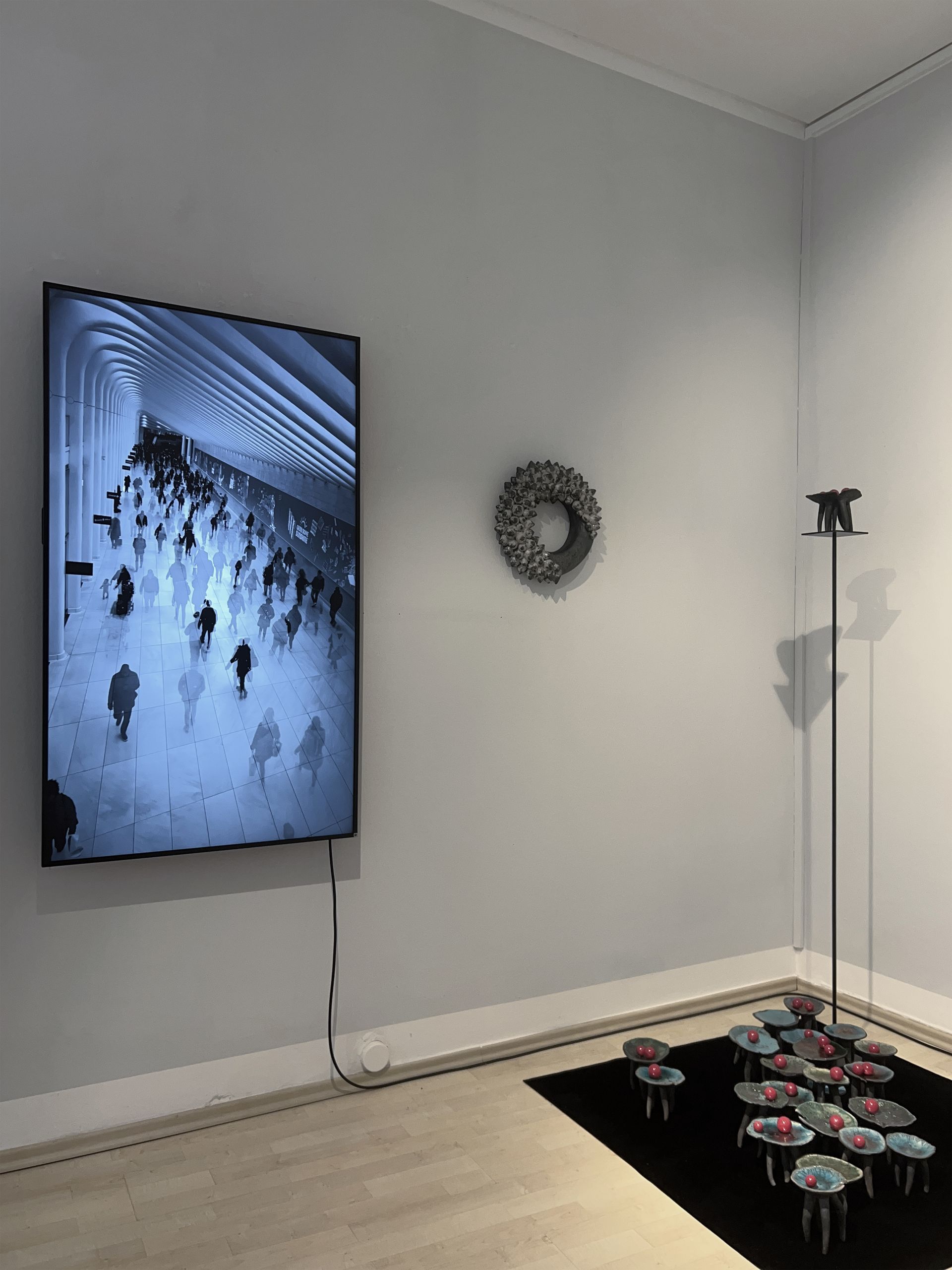
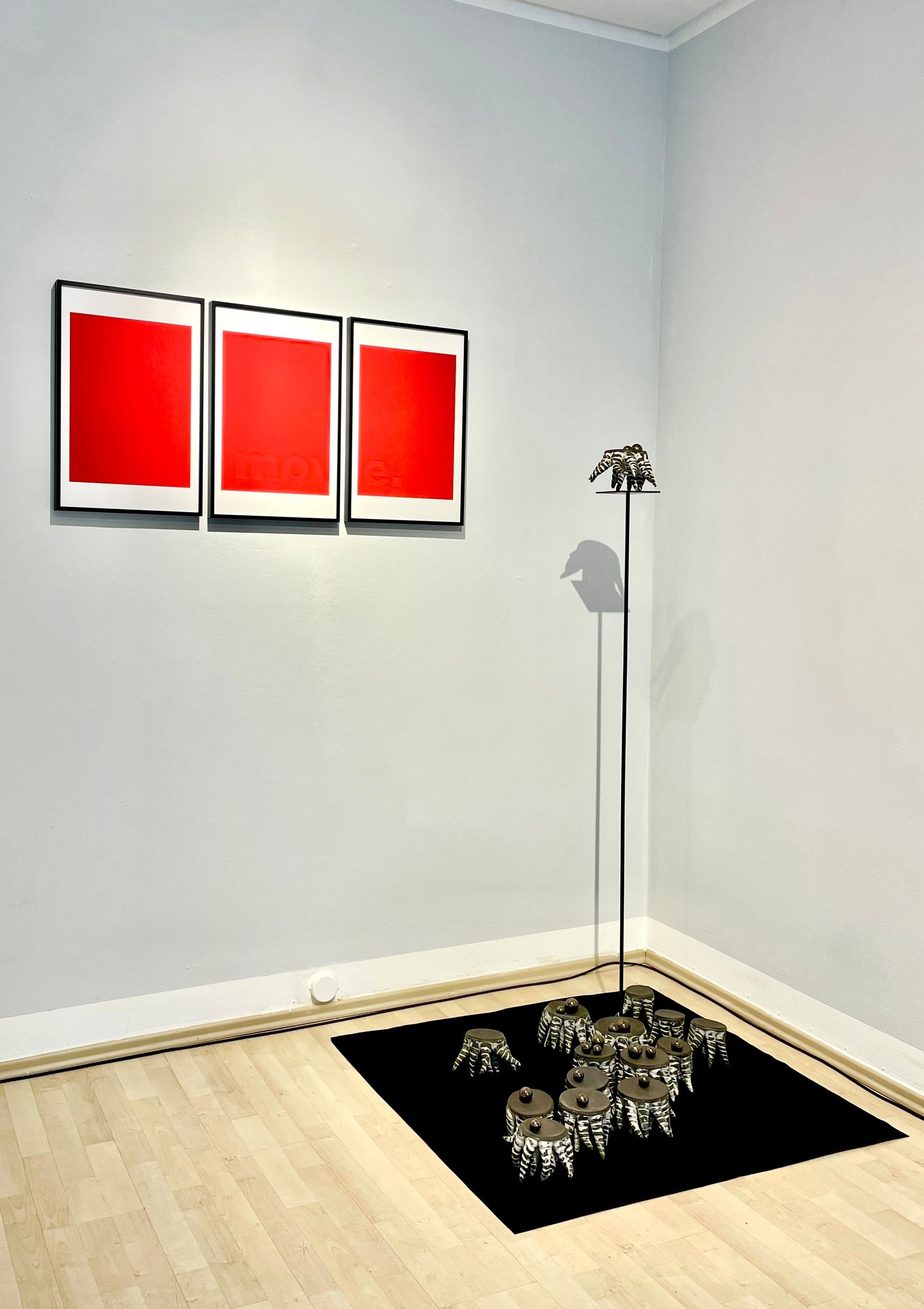
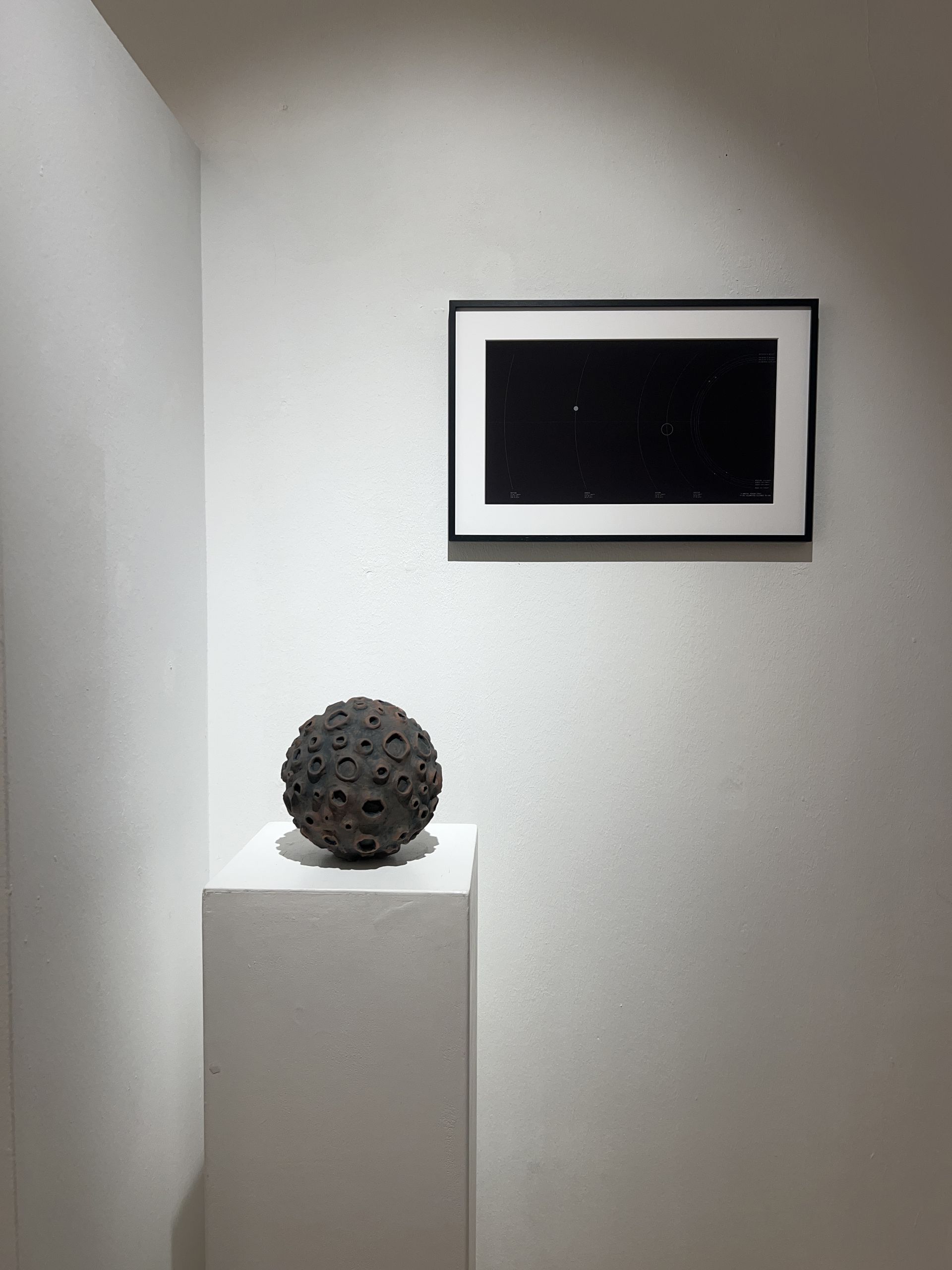
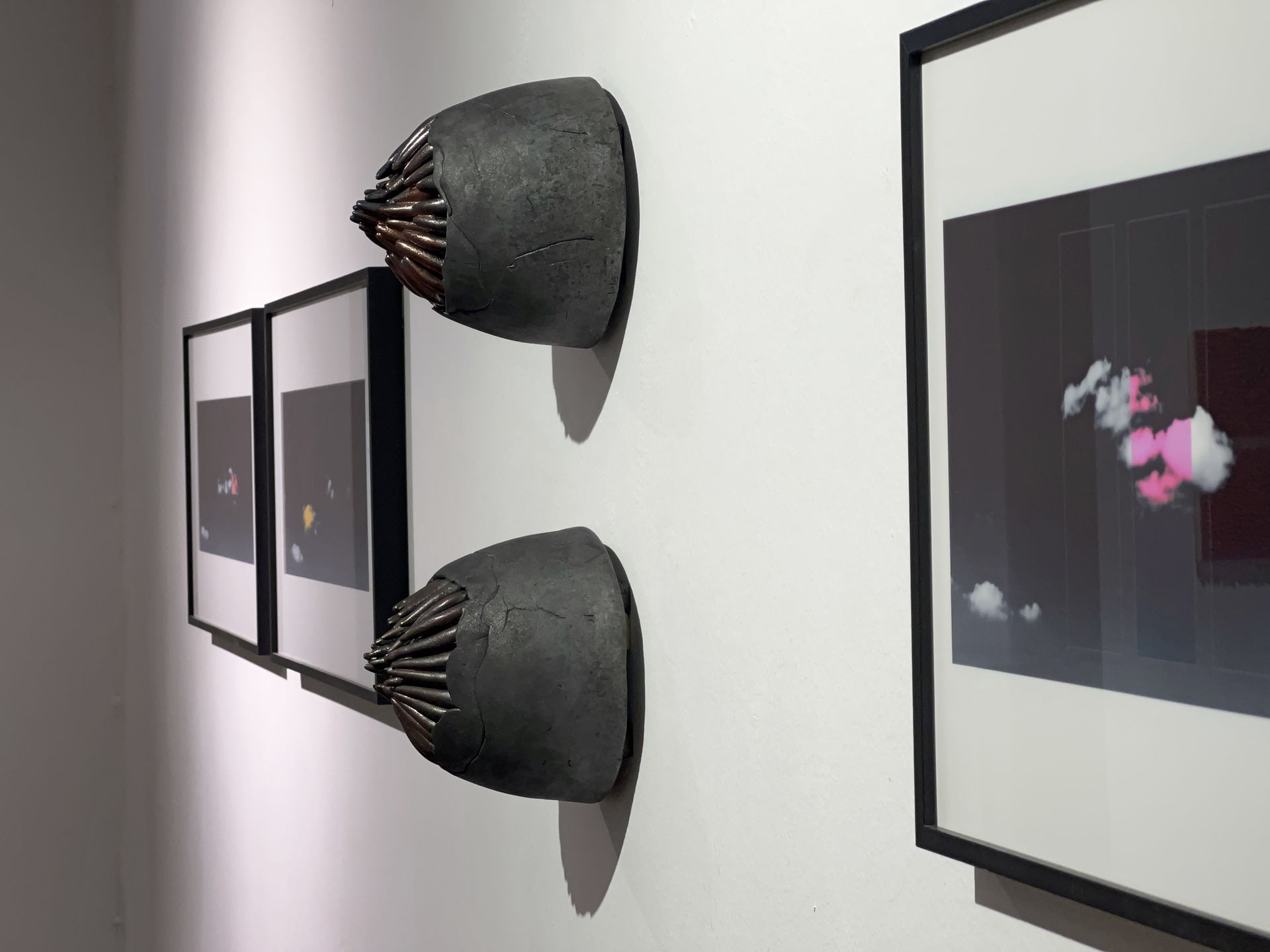
Movement is not a state, but a process. It sustains the universe as well as each individual thought, each breath, and the quiet passage of time. The exhibition move. / in Bewegung brings together works from two artistic perspectives that approach this primal force from different angles—and find common ground precisely in that. Thomas Kessler, a composer and sound researcher, views the creation of art as a way of working with time. For this exhibition, he shifts his compositional practice into the realm of the visual. Abstract, mostly graphic videos unfold across overlapping time frames, in clear layered structures, minimalist and precise. Here, movement appears as a rhythmic order, as compression and expansion, as a silent progression. Accompanying sound compositions explore these processes in greater depth without merely illustrating them. The presentation is complemented by selected graphics that reflect the same aesthetic approach: focus rather than excess, presence rather than spectacle.
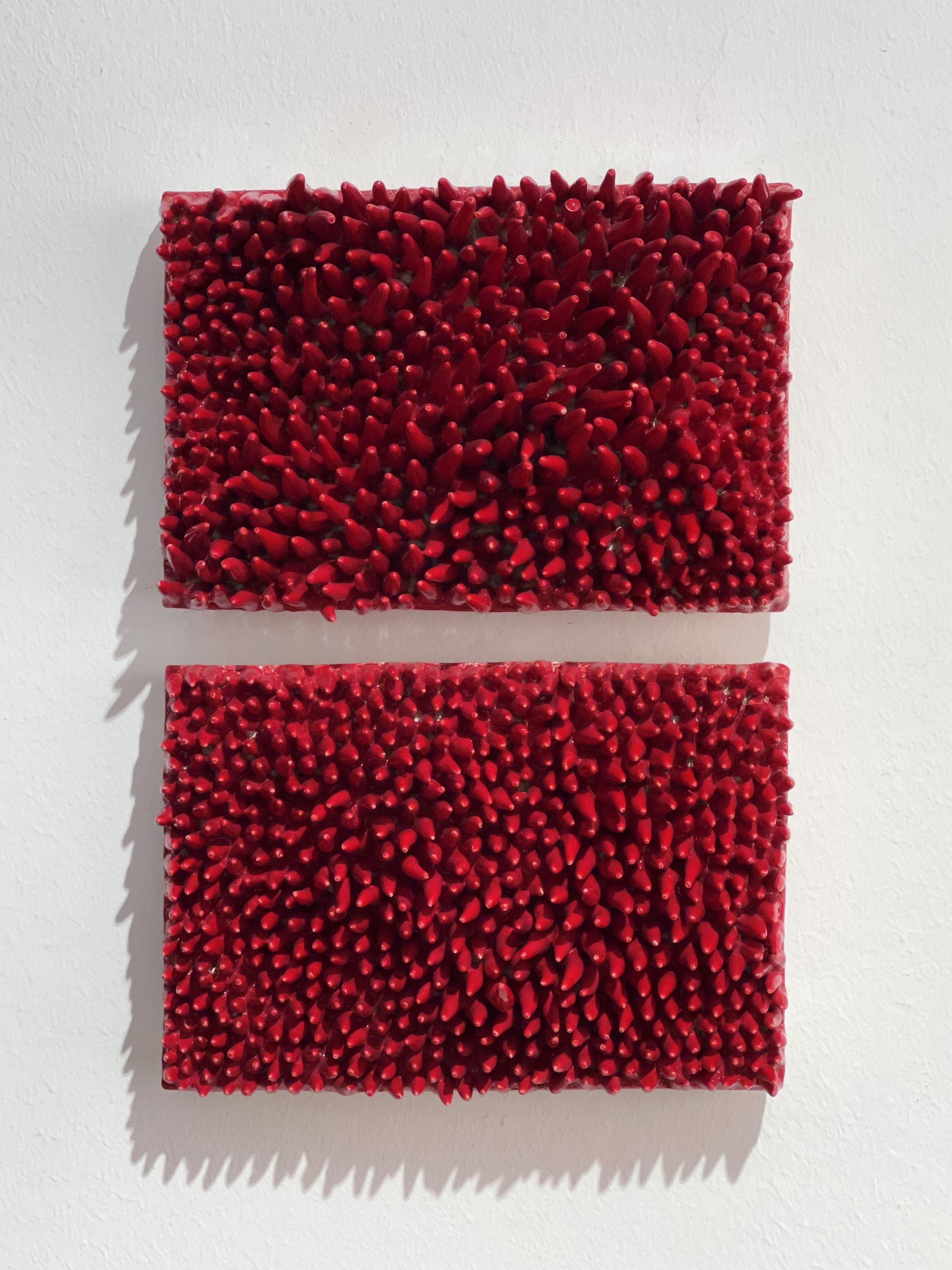
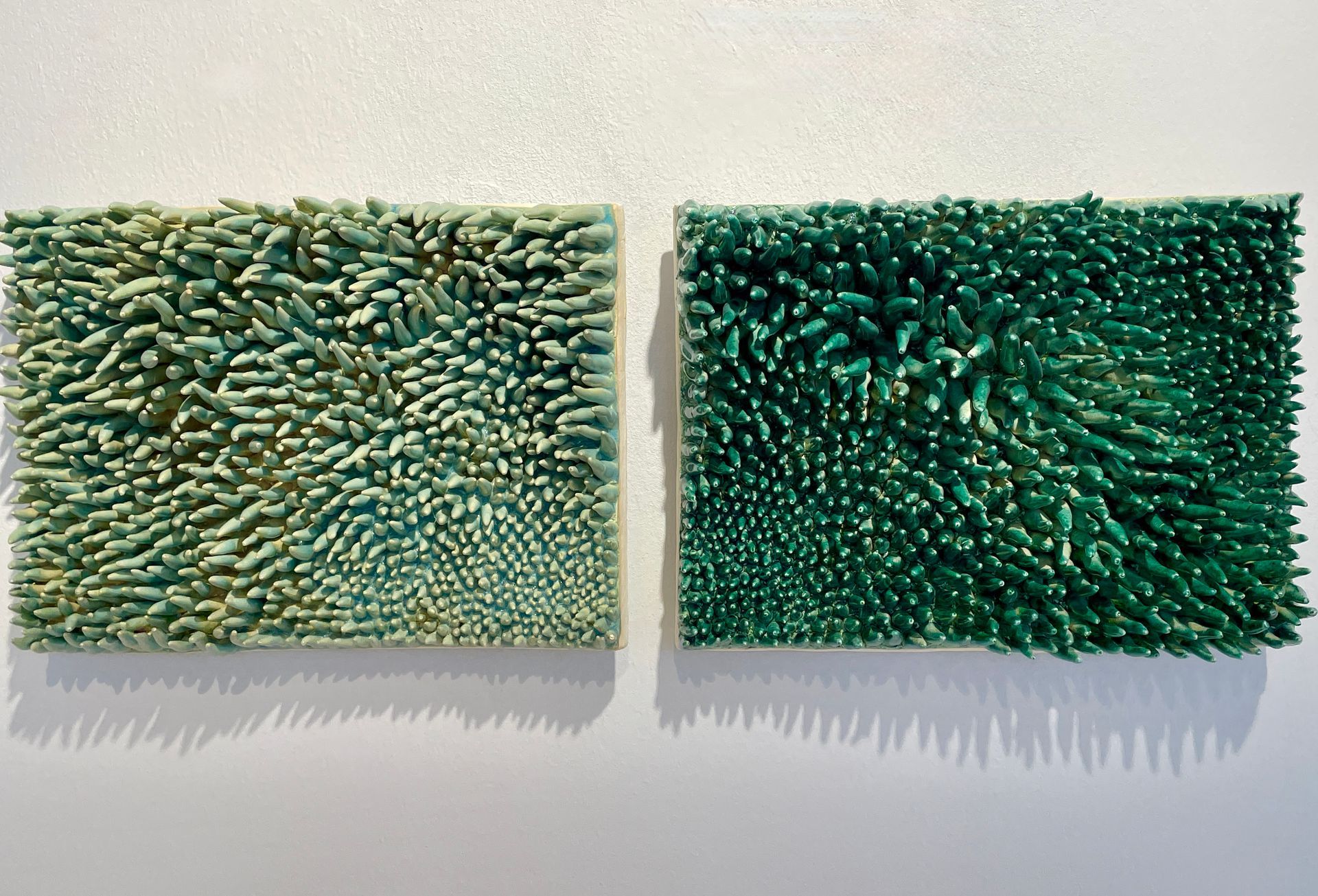
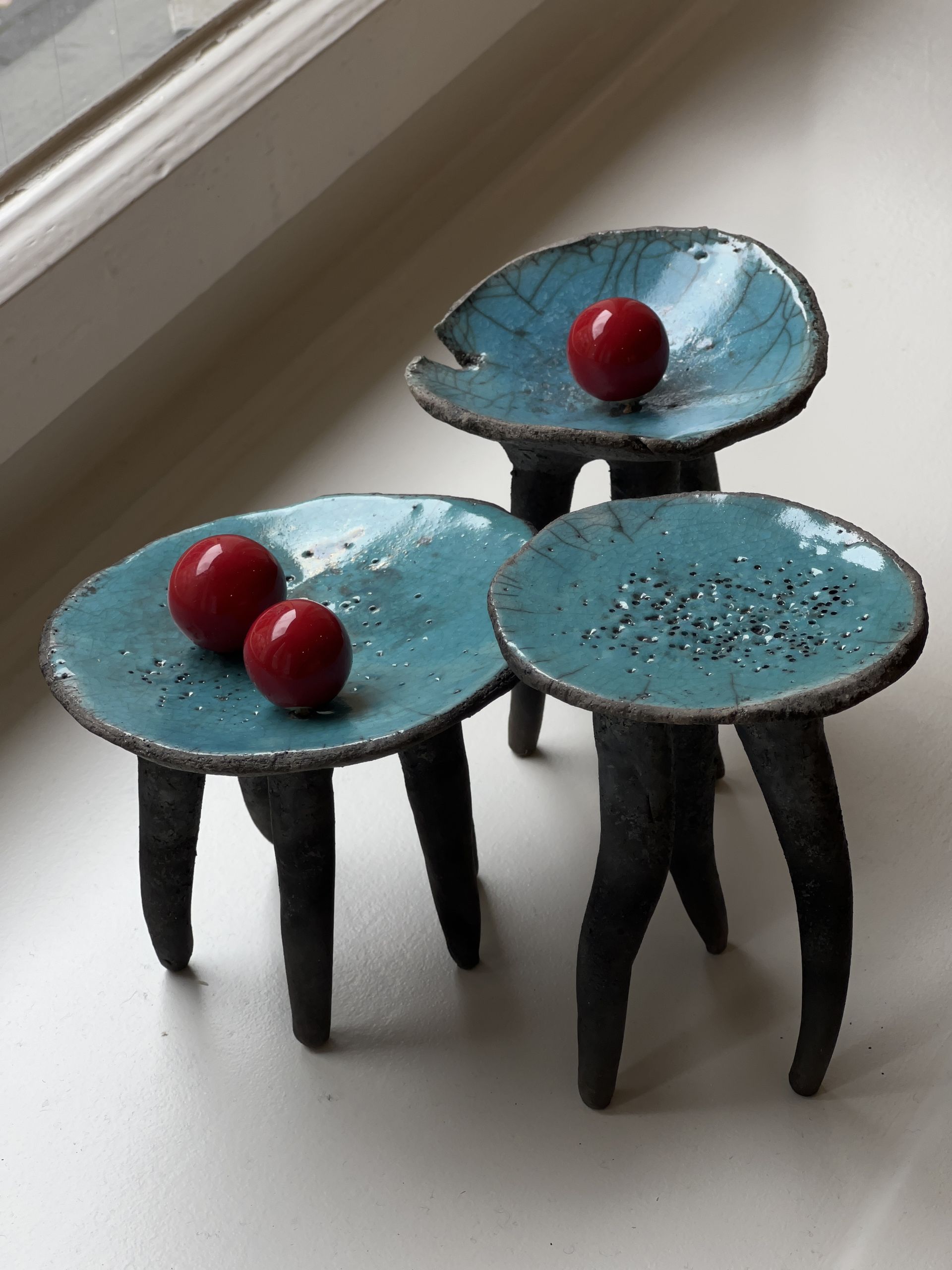
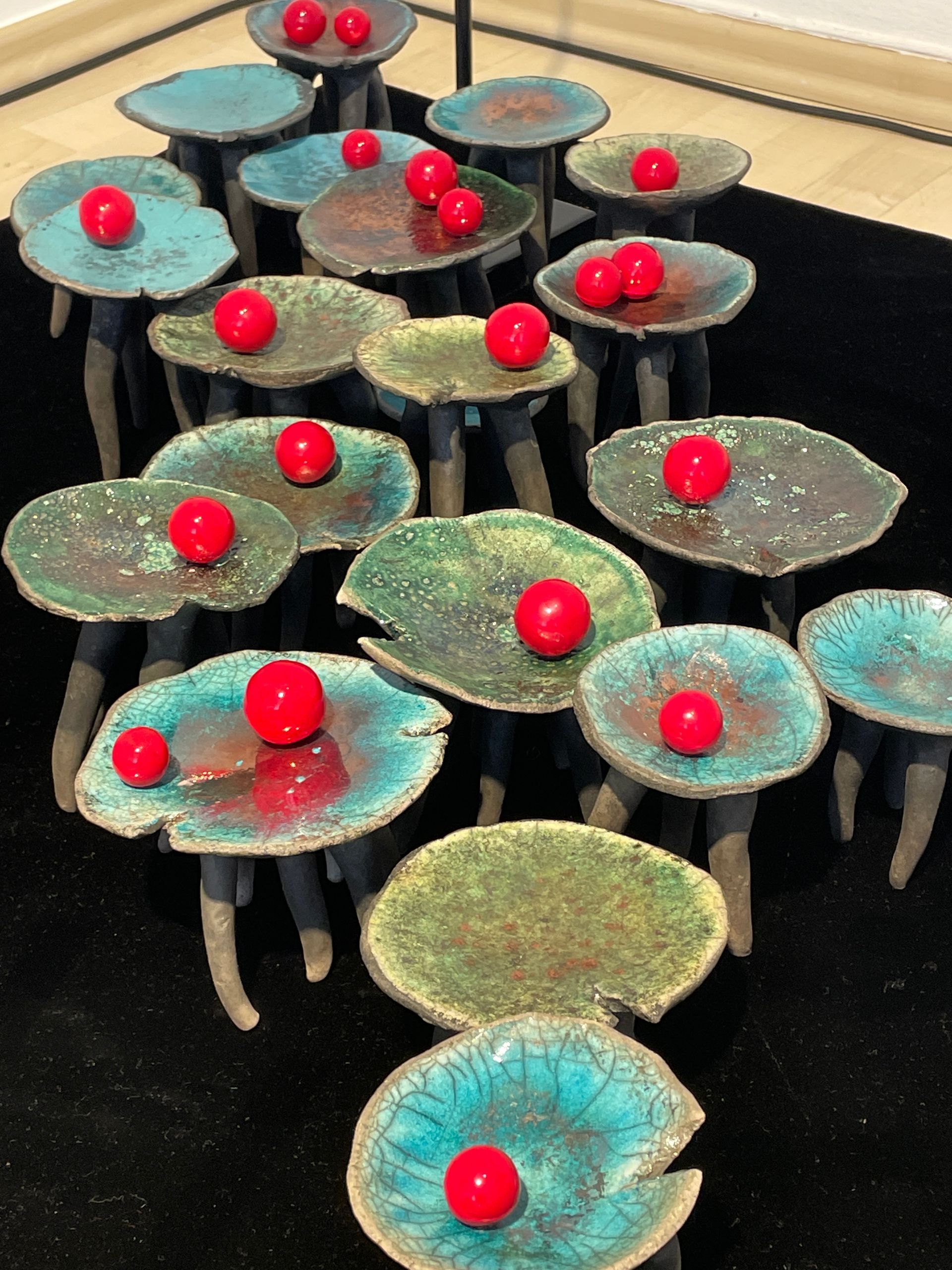
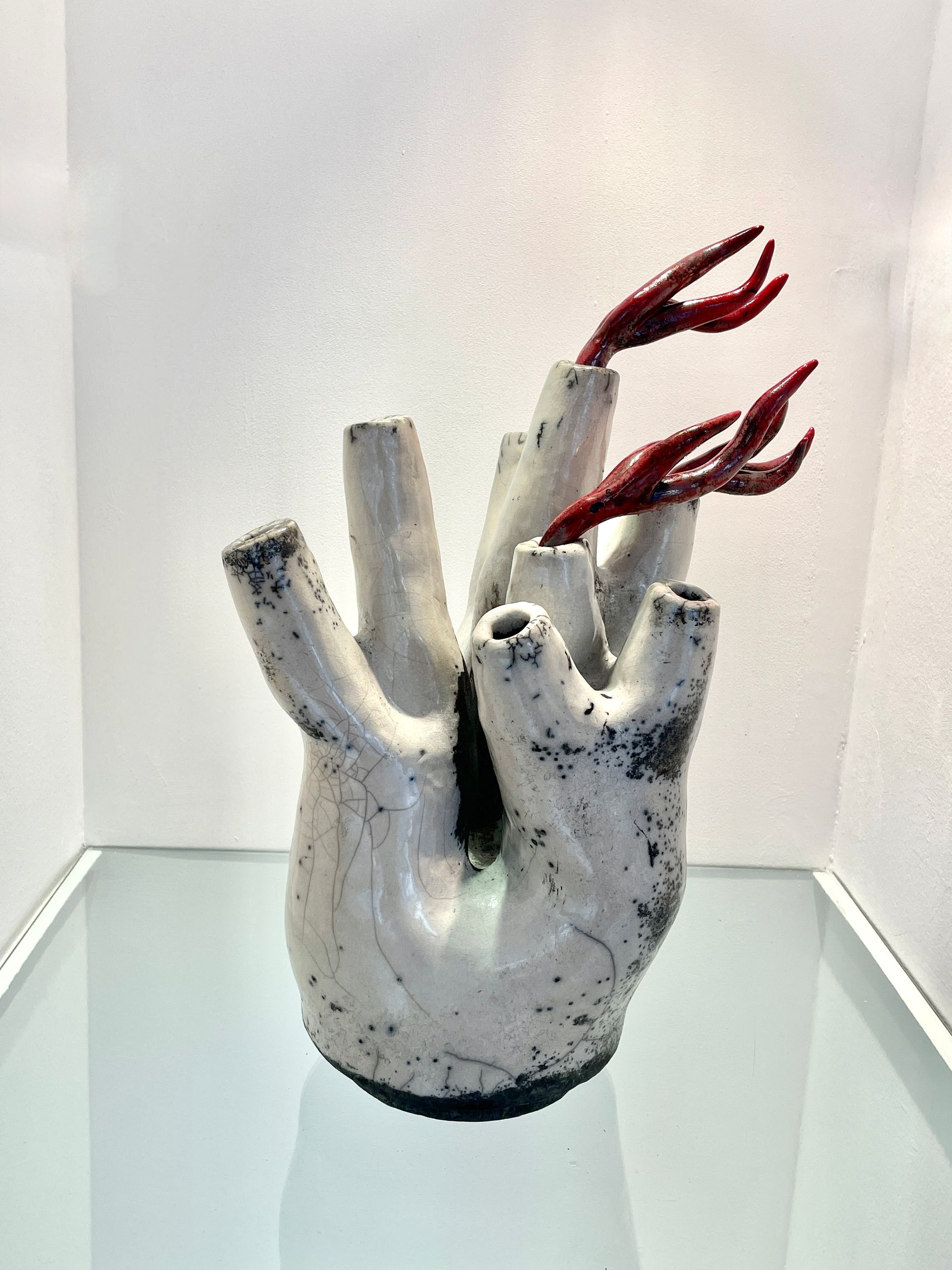
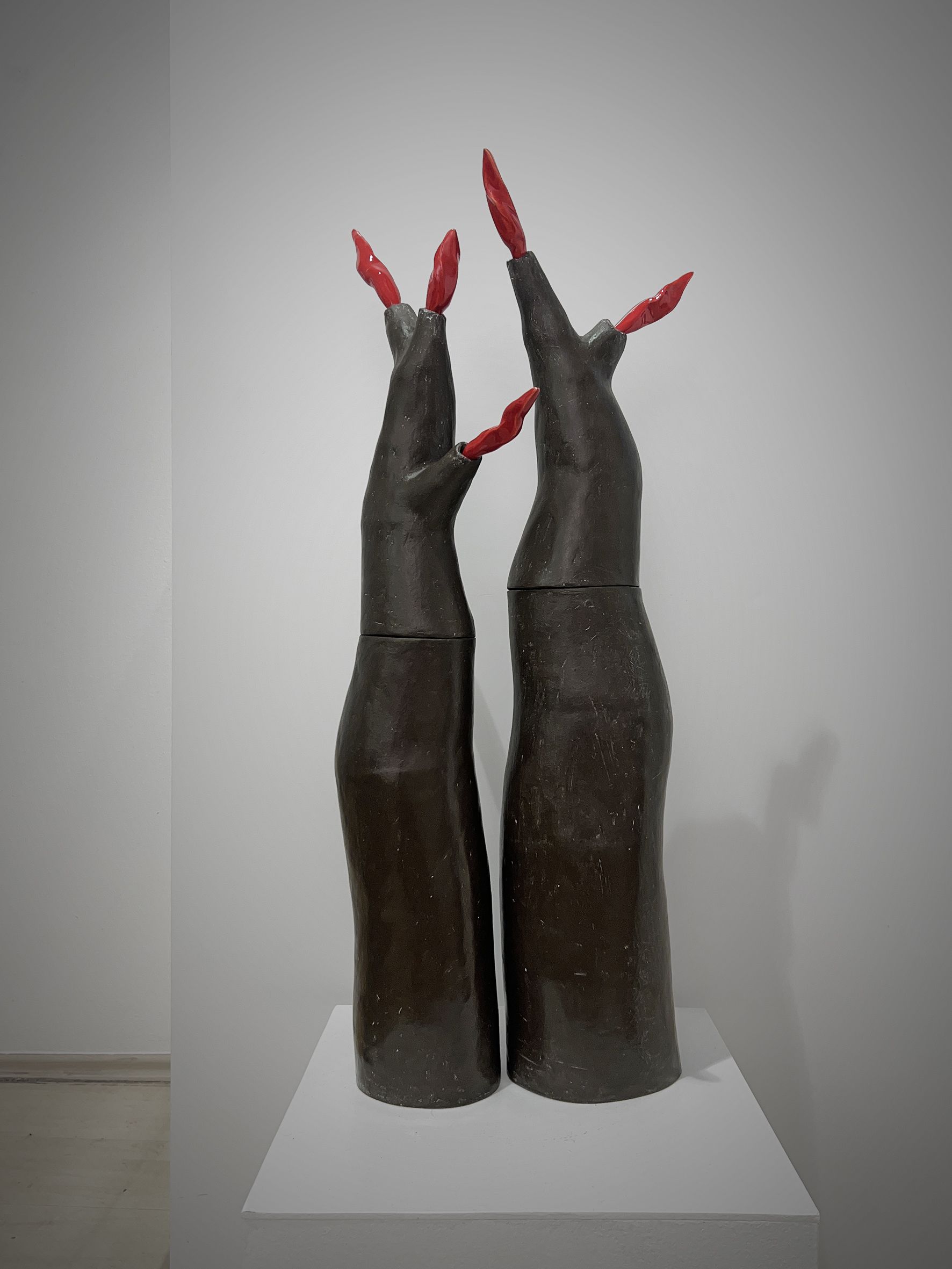
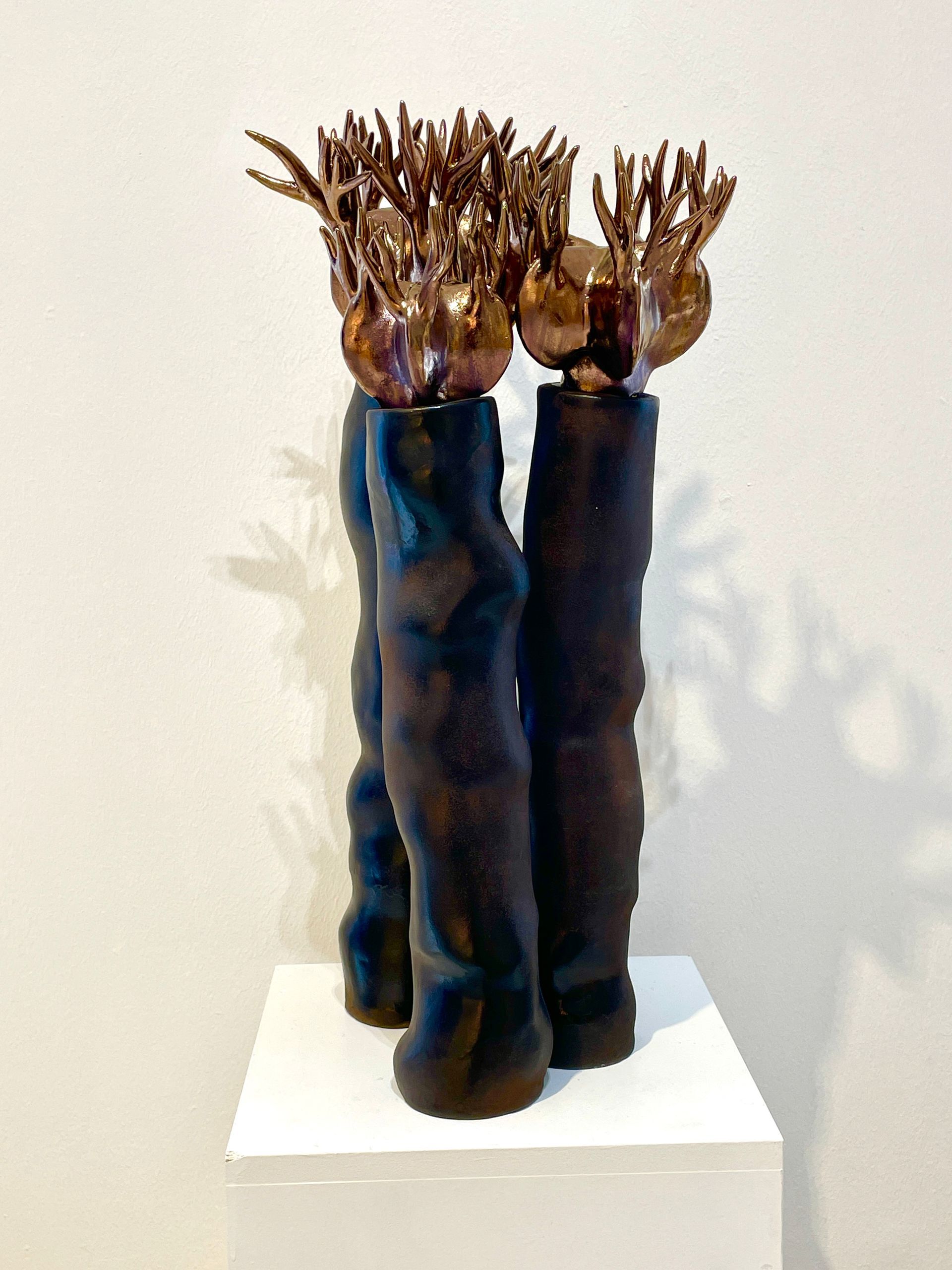
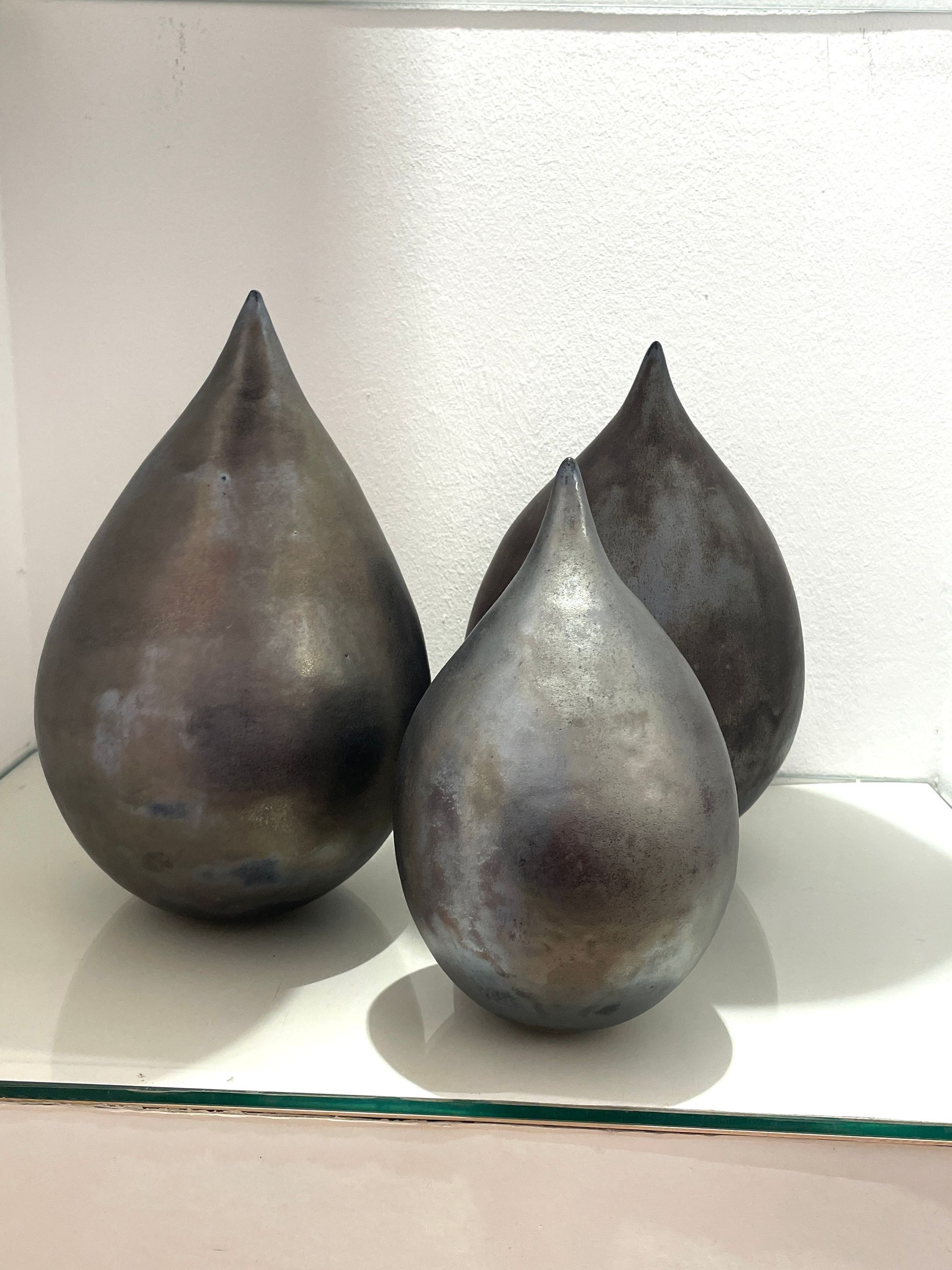
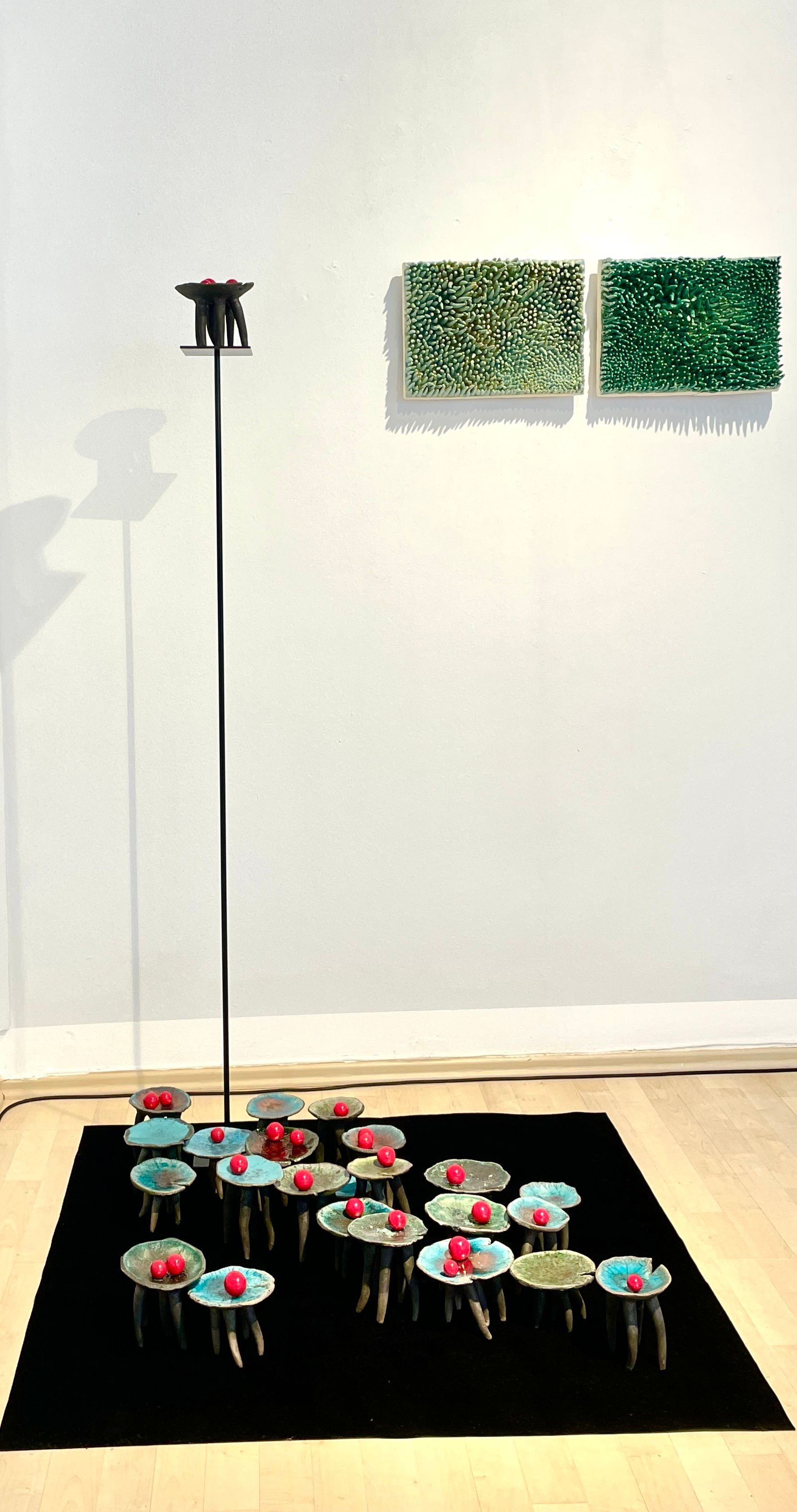
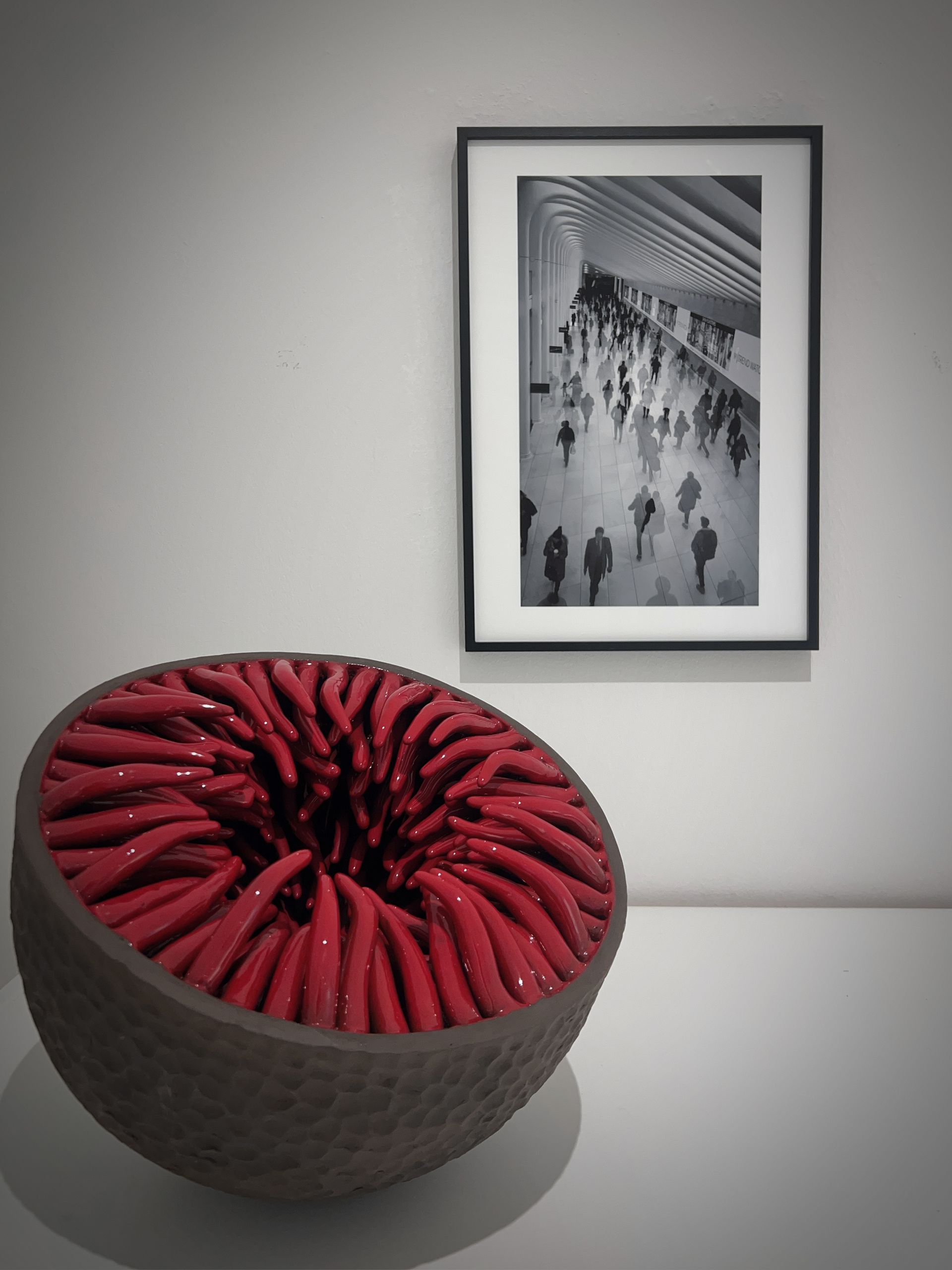
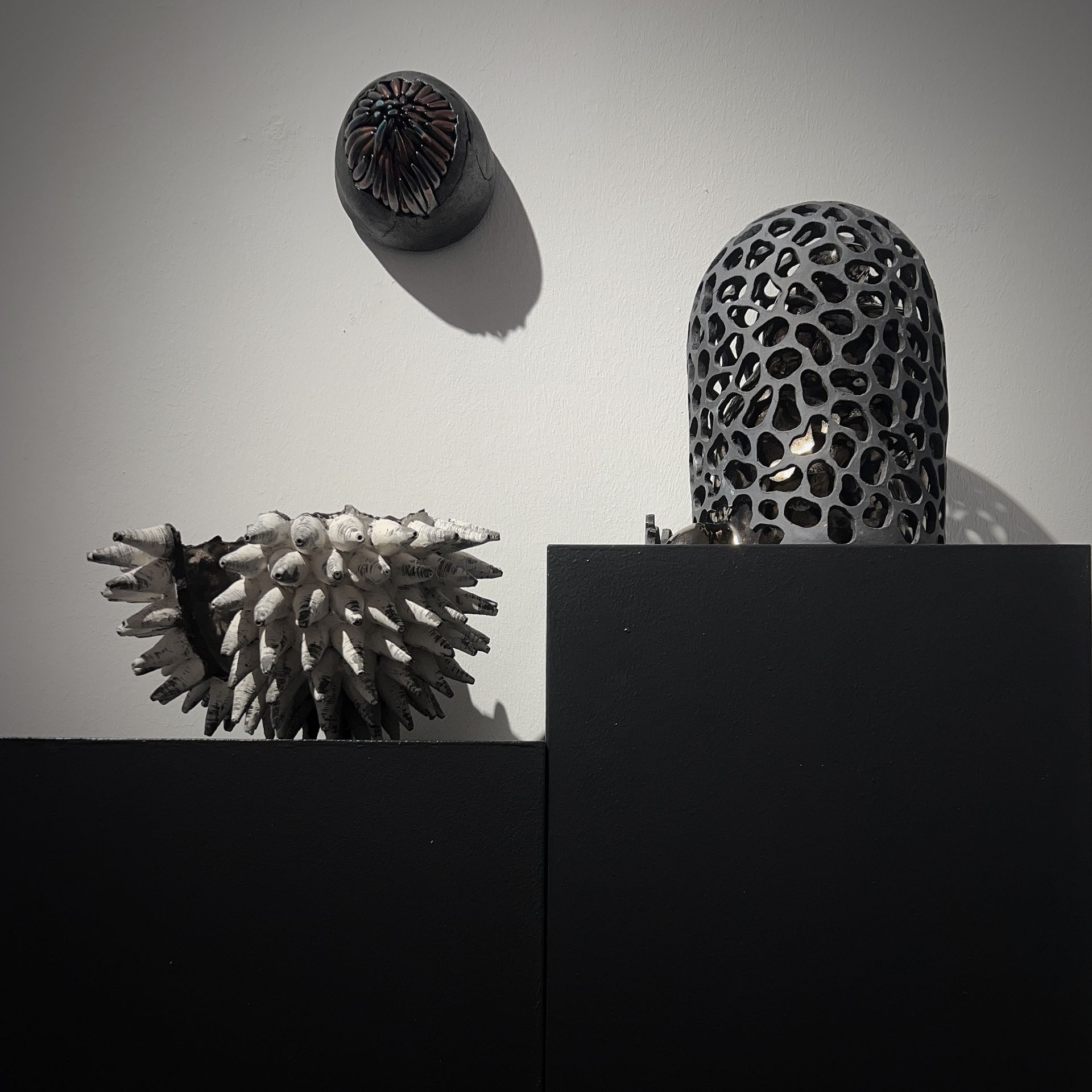
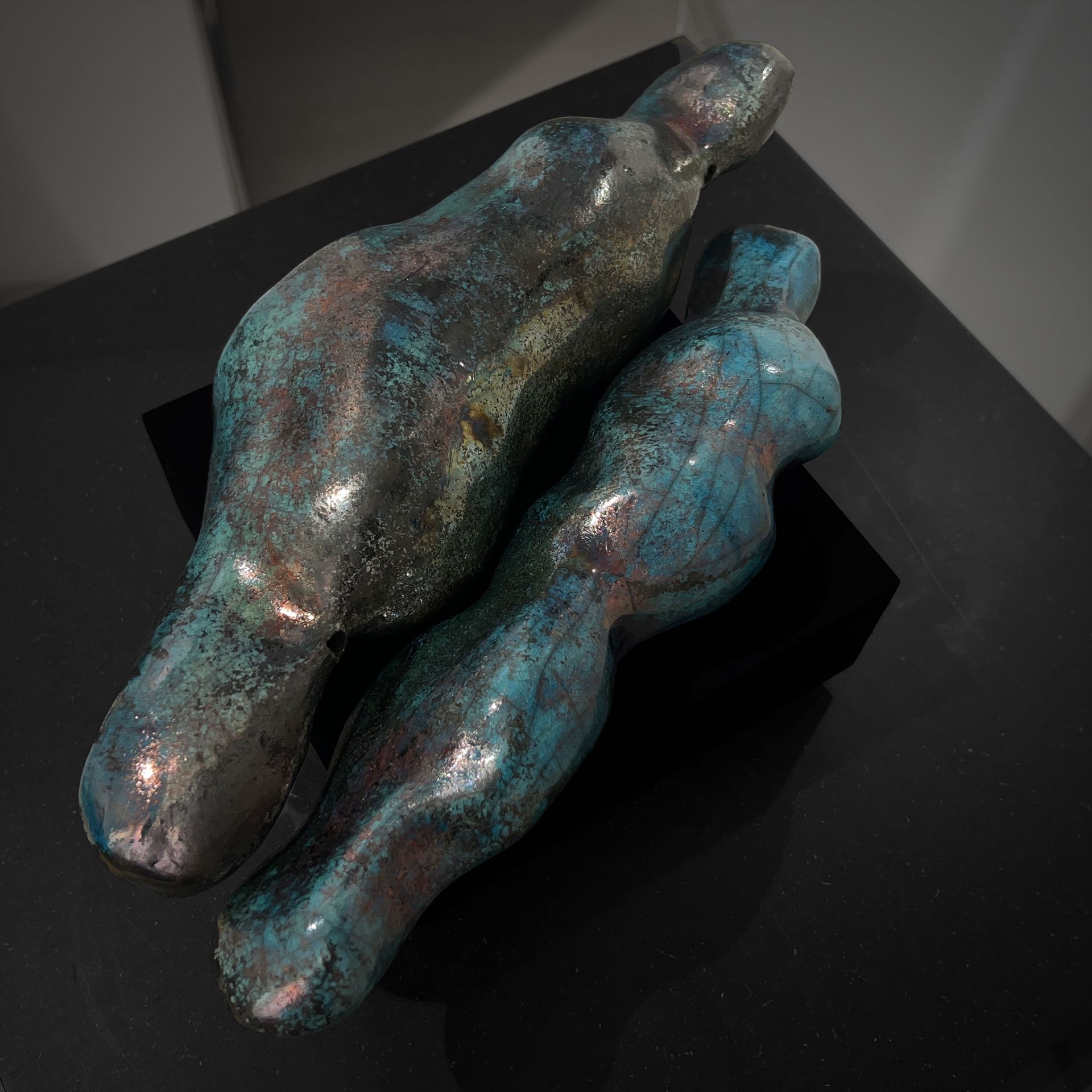
Renata Kolwicz takes a different, almost opposite approach. As a sculptor, she works with ceramics, a material that embodies time, heat, and chance. A particular focus is on sculptures created using the Japanese raku technique. Their forms evoke natural processes of growth and transformation without replicating them. Here, movement is not depicted but suspended—as a snapshot of an ongoing process, frozen within the amorphous form of the sculpture.
What connects these two positions is not so much the medium as the approach. Both view art as a dialogue, as an invitation to the imagination. move. / in motion does not invite interpretation, but rather encourages one’s own intellectual movement. The unspoken question hangs in the air: “What drives you?”
Renata Kolwicz
lives and works in Düsseldorf and Zduny (Poland).
– Growing up amid the social upheavals of Polish socialism in the 1980s, caught between the revolutionary movement, martial law, and the rural idyll of his grandfather’s farm. Early childhood encounters with nature developed during hers youth into a keen interest in the natural sciences, which would later find its artistic expression in her ceramic works.
– 1991: Moved to Germany to study German language and literature; created her first ceramic
works; from 2000, worked in Felicitas Lensing-Hebben’s studio in Düsseldorf.
Fascinated by organic forms, structures, and natural growth processes, Renata Kolwicz works on an abstract interpretation of the essence of nature, its power and fragility.
The complexity of the human being and their relationship to themselves and the environment forms another chapter in the sculptural work: interpretations of contrasting pairs of concepts such as “inside and outside,” “individual and group,” “freedom and security.”
Thomas Kessler
His impressionistic solo piano pieces have reached an audience of millions worldwide. Above all, however, the Düsseldorf-based composer and sound researcher is a curious explorer who crosses the boundaries between the arts. For decades, he has been researching the effect of sound and music on human perception— and the subtle transitions between hearing and seeing.
The exhibition presents his latest works for the first time as an interplay between moving video images and corresponding soundscapes. Image and sound meet here on equal footing and together create an open space for perception.
With a wink, Kessler describes his journey as follows:
“Shortly after I learned to eat and drink, I started drawing. Music came into my life
when I was eight. For me, these two forms of expression naturally
merged into something inseparable.”
This early connection gave rise to a lifelong exploration of
the phenomenon of synesthesia—the simultaneous perception of different
sensory stimuli. His intuitive sense of how an image sounds or how music looks
also shaped his numerous compositions for nature documentaries in film
and television. At the heart of his work was always his own artistic style,
not a commitment to any particular genre. This openness led, over the course of his career, to
collaborations with artists from all over the world.
Installation views
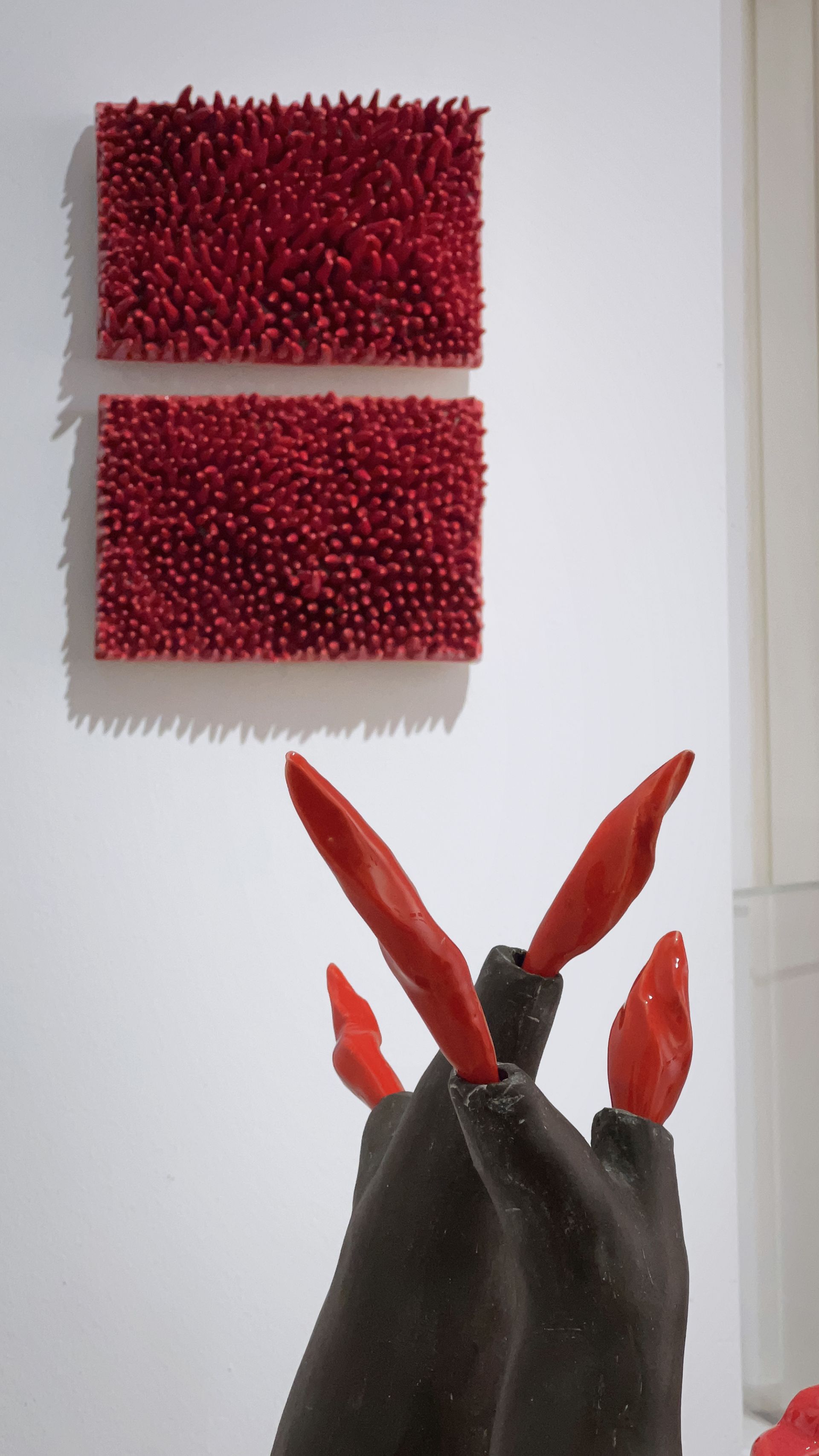
Selected Exhibits