


MARITA KLAERDING
"FROM LANDSCAPE TO ABSTRACTION"
Nov 10 - Dec 06, 2026
MARITA KLAERDING
"From Landscape to Abstraction"
Nov 10 - Dec 06, 2026
Marita Klaerding
From Landscape to Abstraction
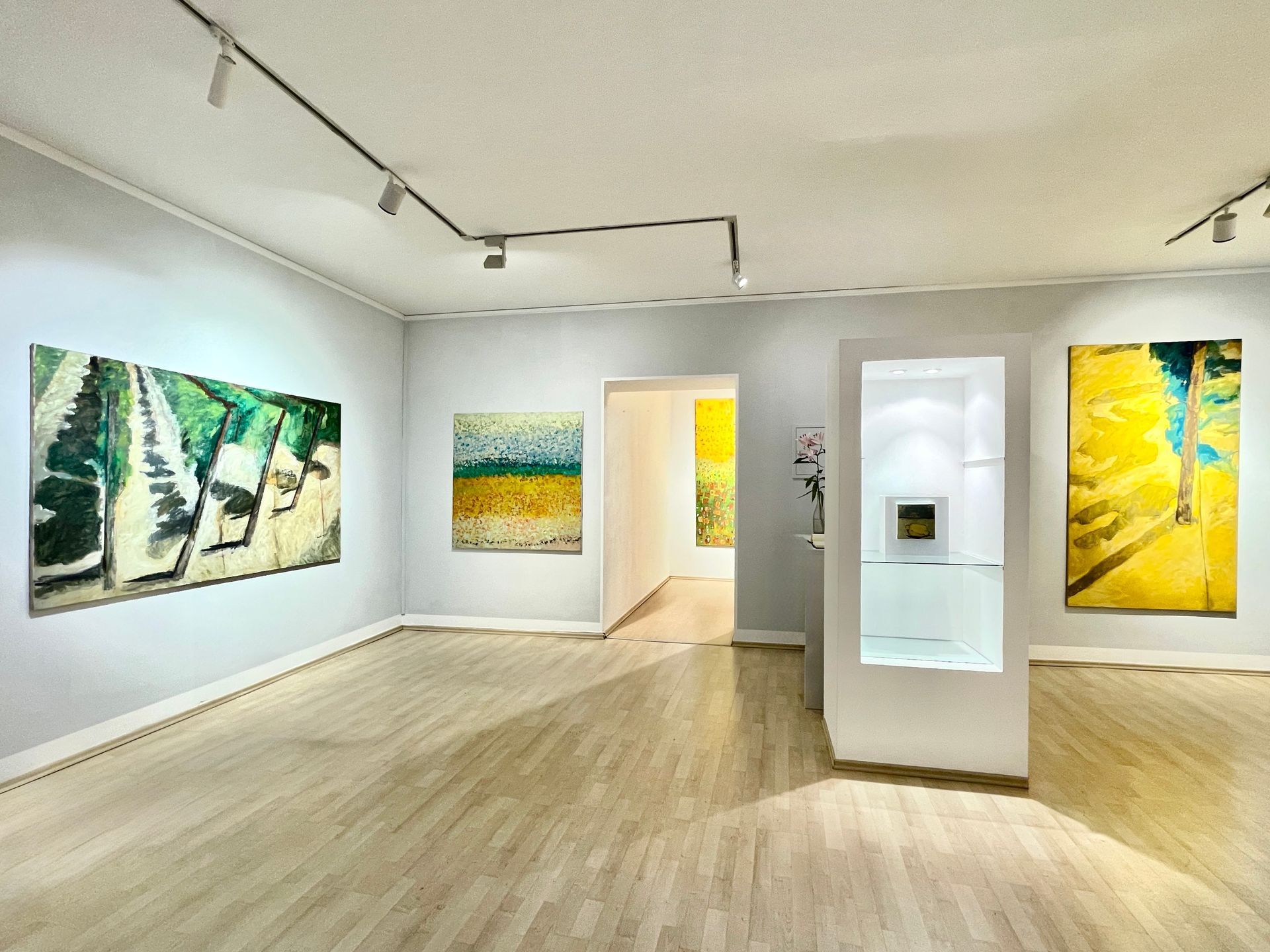
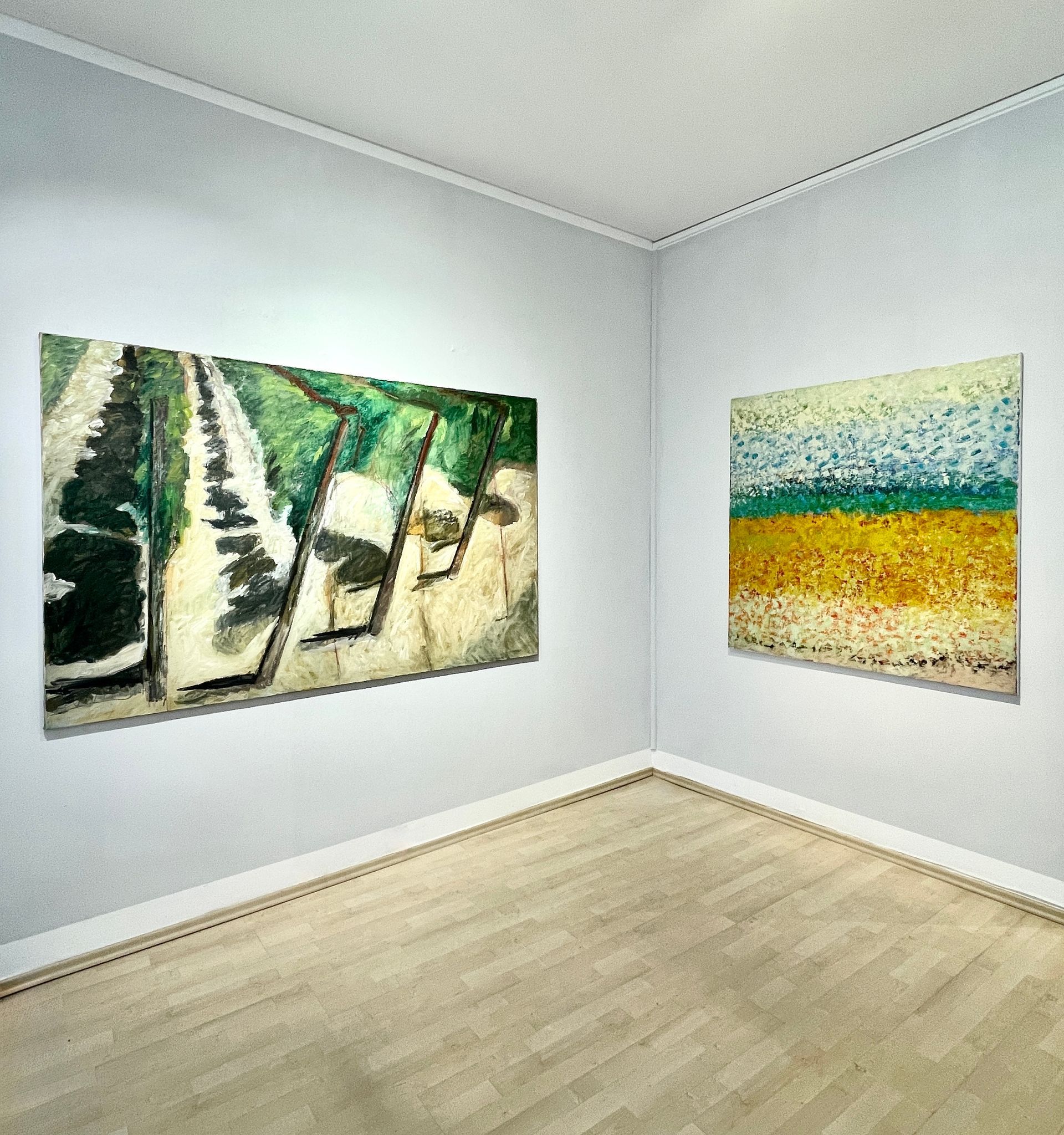
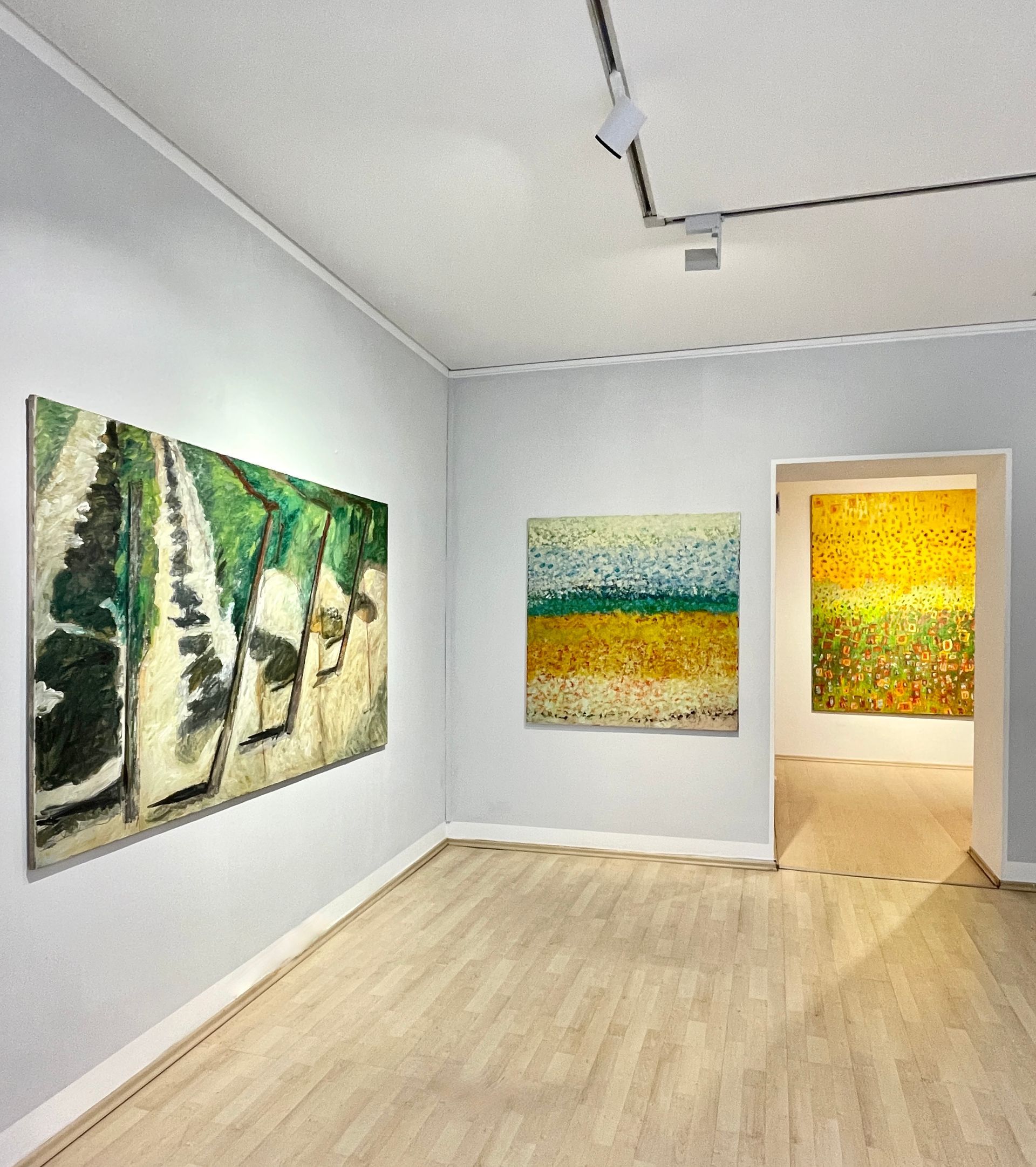
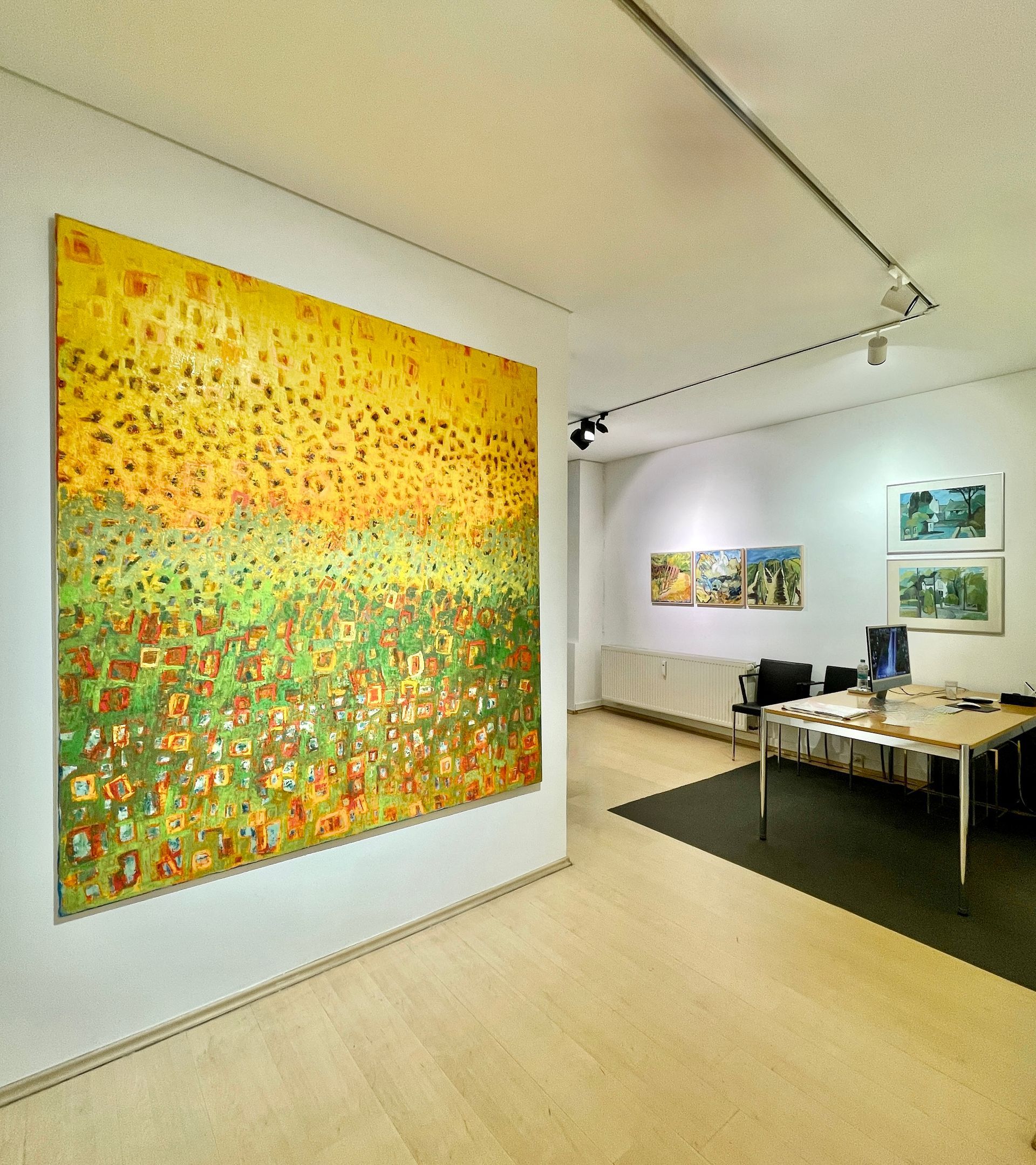
Marita Klaerding, an artist born in Cologne who now lives in Düsseldorf, has carved out her own path in painting. Her love of the landscape—especially Tuscany—and her fascination with light and color are key starting points in her artistic development. What began as representational depictions of landscapes has, over time, evolved into an increasingly free, abstract visual language. It is a development shaped less by a specific goal than by an engagement with painting itself.
After attending art school in Berlin and Cologne, Marita Klaerding devoted herself intensively to painting. The landscape became one of her central themes. She was particularly fascinated by Tuscany, with its rolling hills, distinctive vegetation, warm earth tones, and unique southern light. It is a landscape that is distinguished not only by its geographical features, but also by an atmosphere characterized by tranquility, vastness, and distinctive colors.
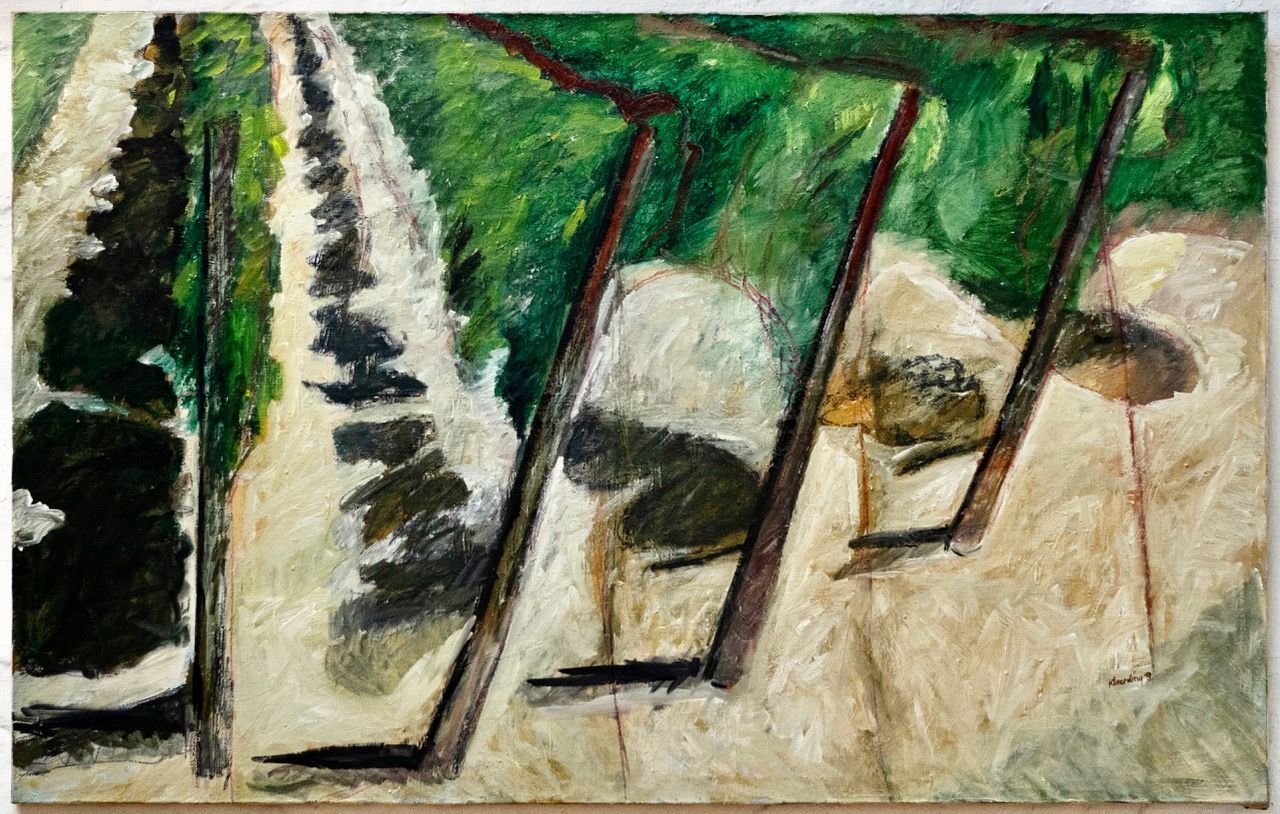
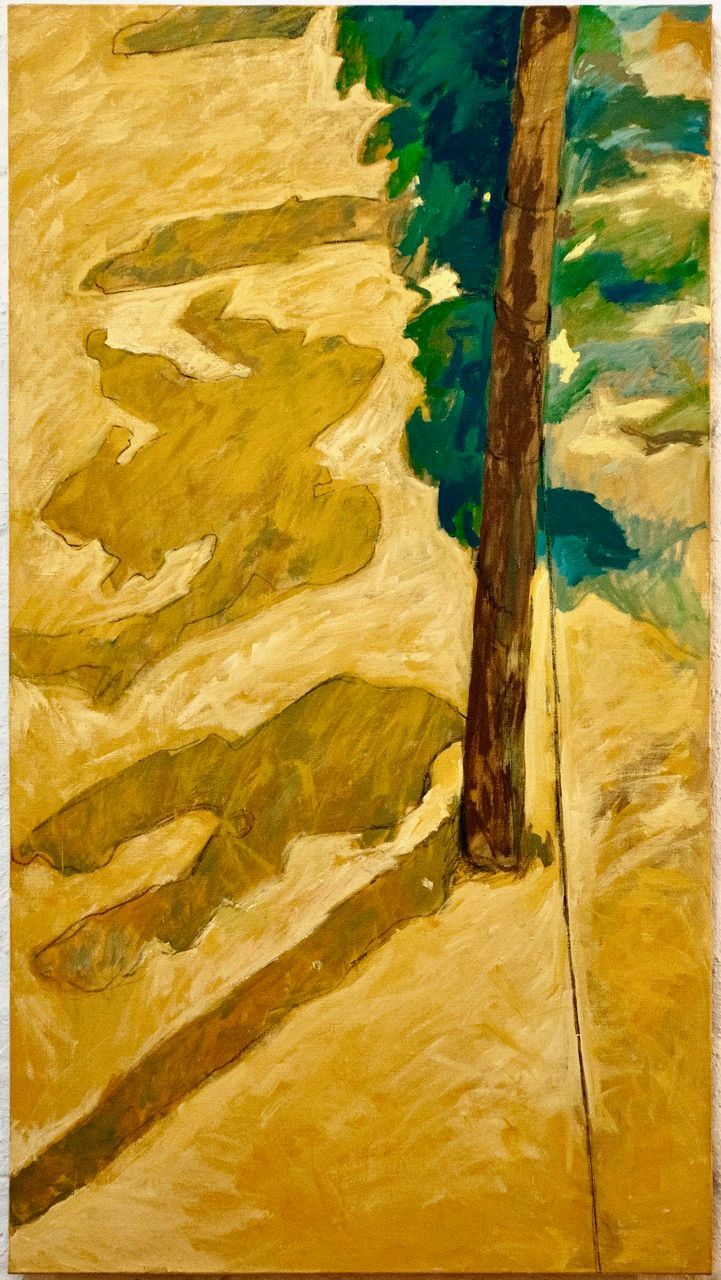
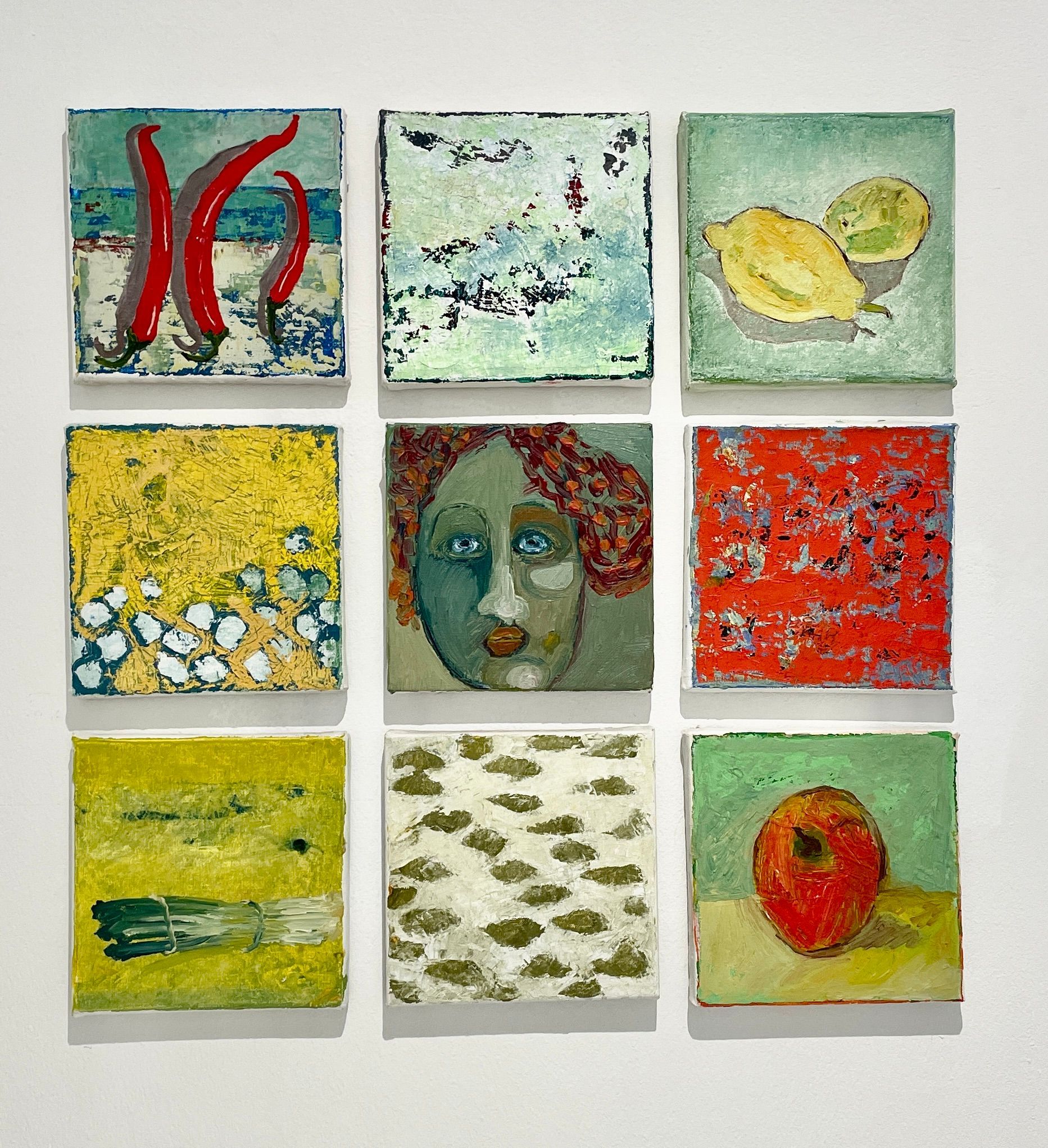
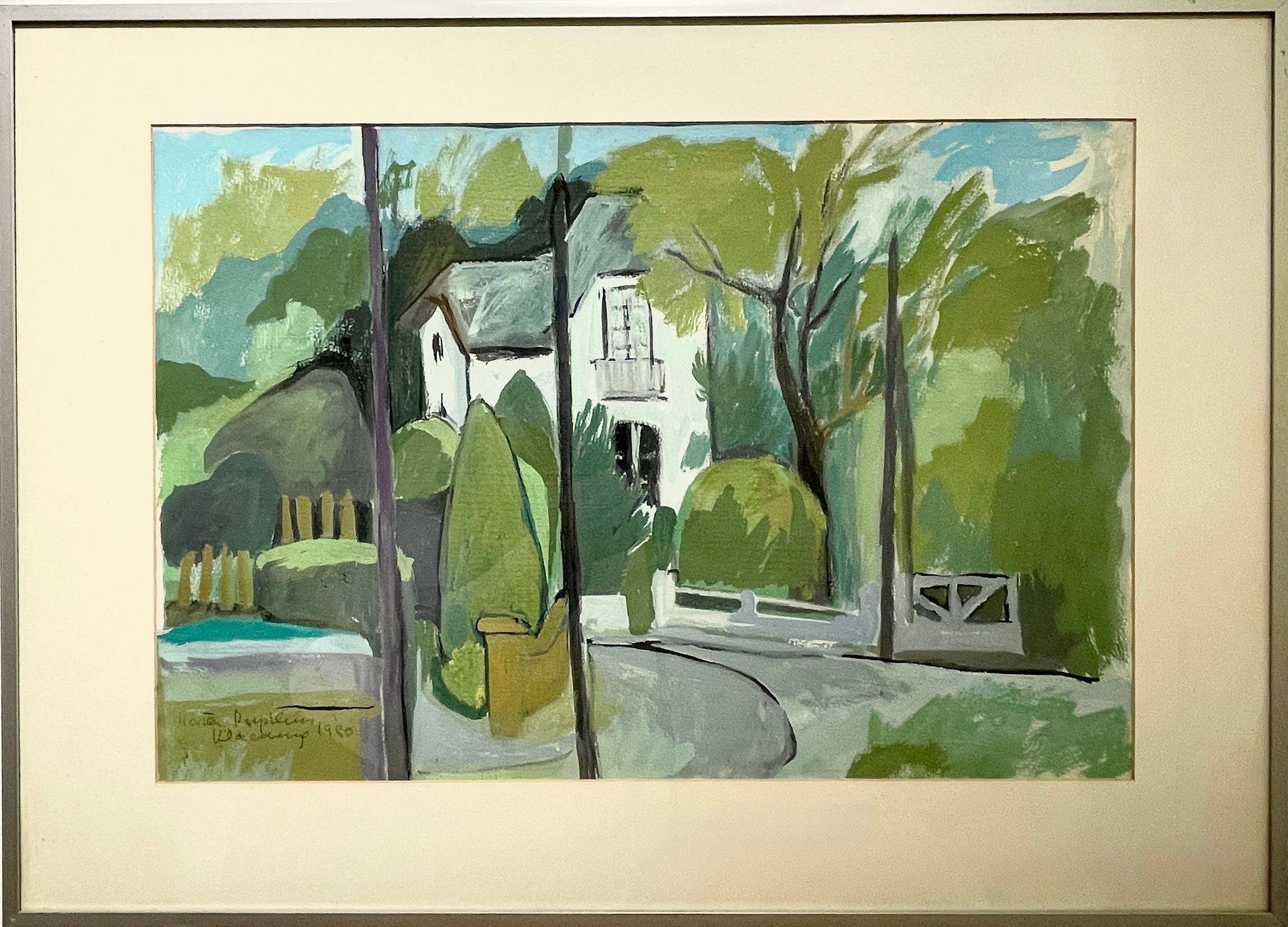
In her early works, the artist sought ways to capture these impressions through painting. The goal was not simply to reproduce what was visible as accurately as possible. Rather, she was interested in the moods a place evokes, the interplay of light and shadow, and the effect of colors on perception. Even in her representational painting, she paid particular attention to those elements that would later prove decisive for her abstract works.
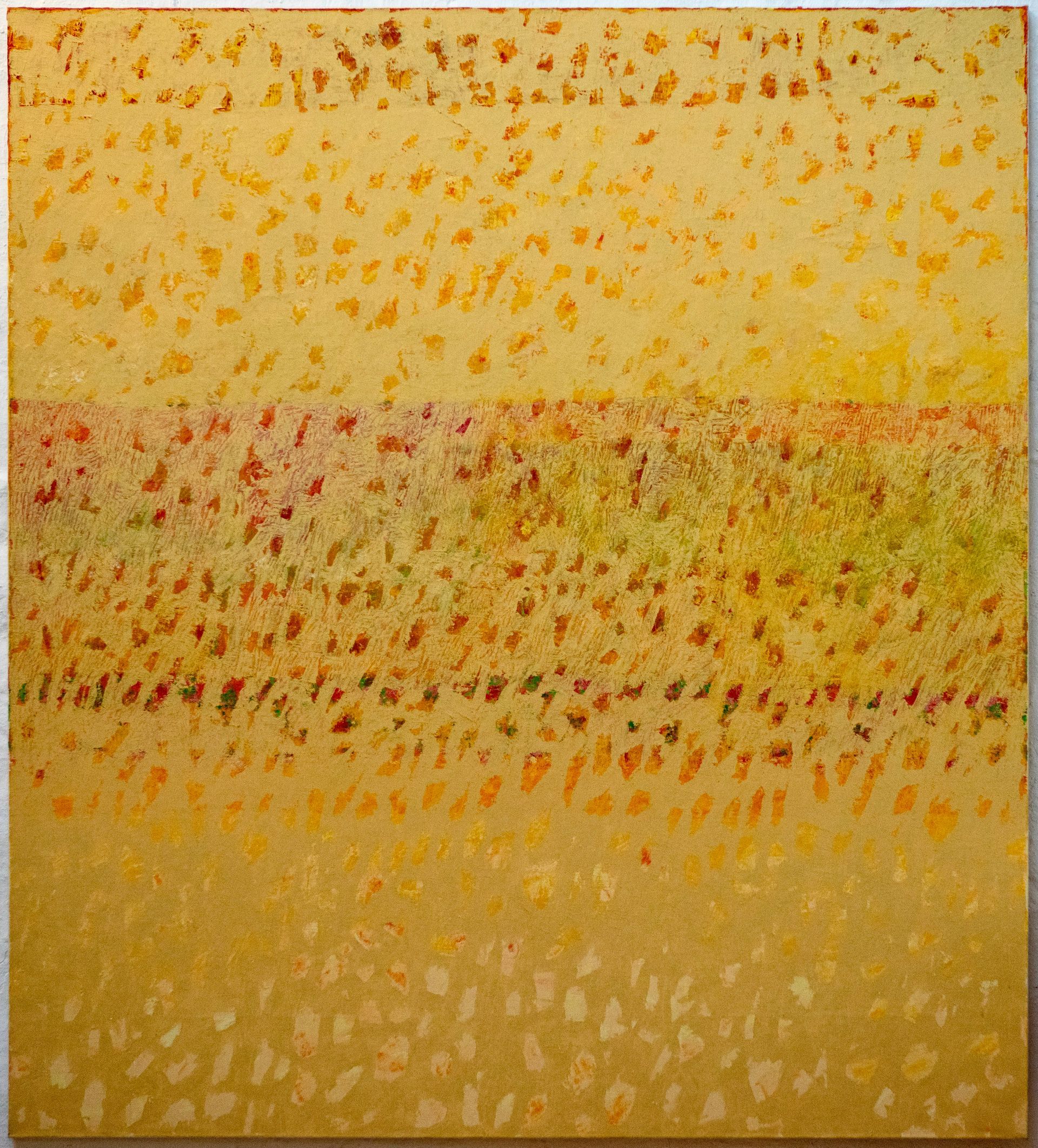
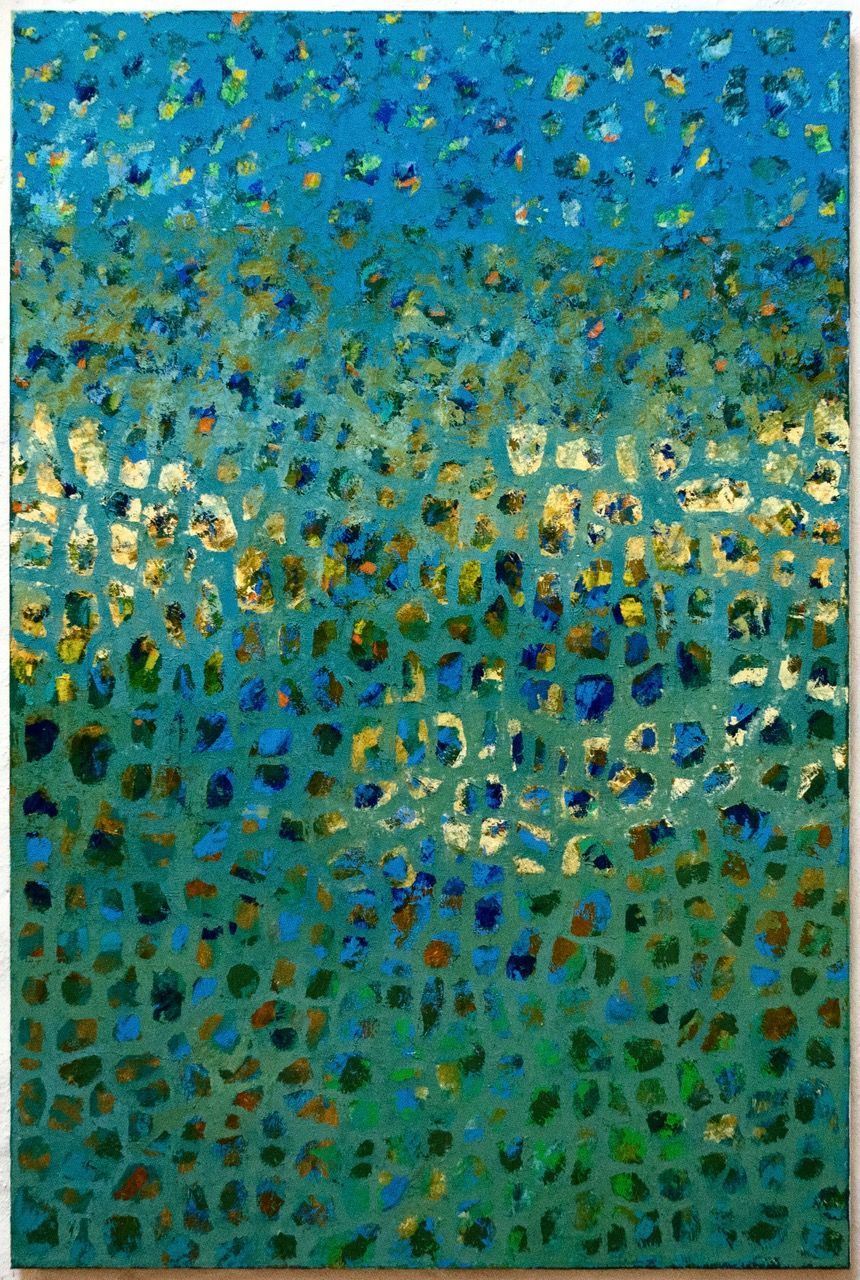
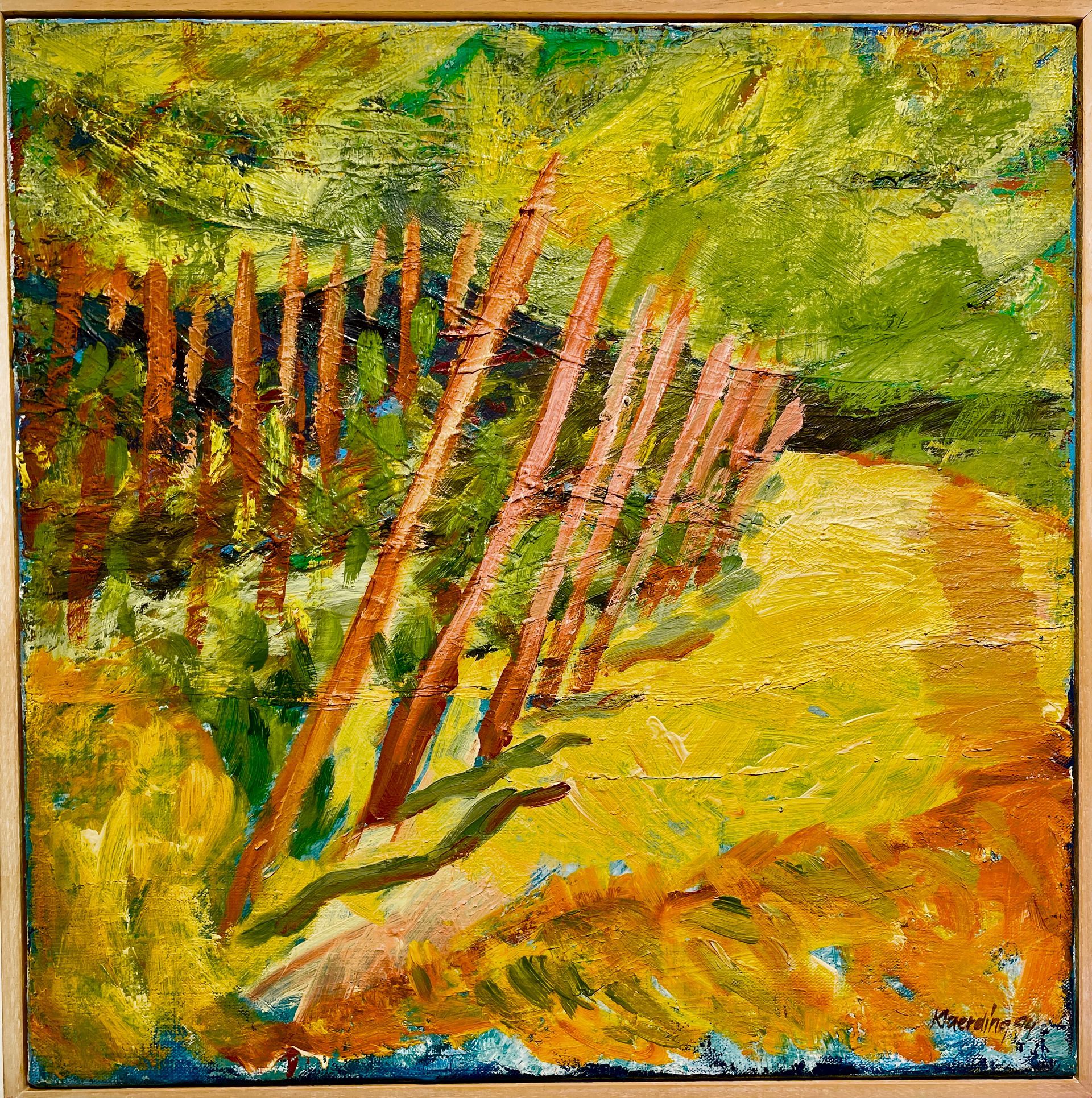
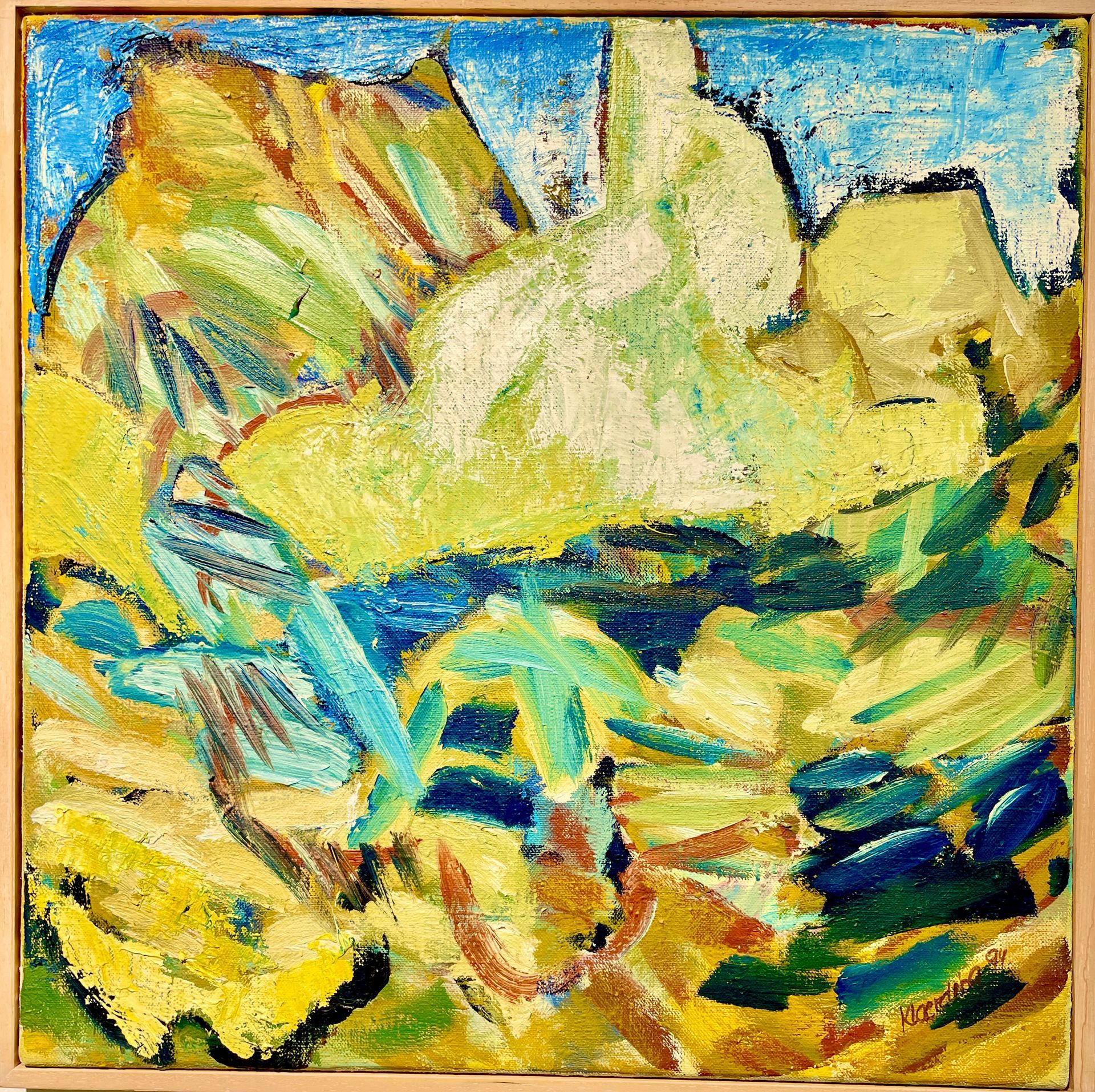
But at some point, her relationship with her own painting technique began to change. She felt that her previous style of representation was no longer sufficient to express what she was seeking in painting. It was not a conscious decision to abandon representational art and turn to abstraction. Rather, this step grew out of an inner need: The artist gradually began to omit the objects. Shapes lost their clear definition, details receded into the background, and it became increasingly clear what was already present beneath the visible surface of the landscape—color.
It is precisely this process that gives her artistic development its special appeal. Abstraction does not appear to be a radical break with the past, but rather a natural continuation of his original engagement with the landscape. What initially appeared as a concrete form on the canvas is gradually dissolving, giving way to a freer, more immediate visual language.
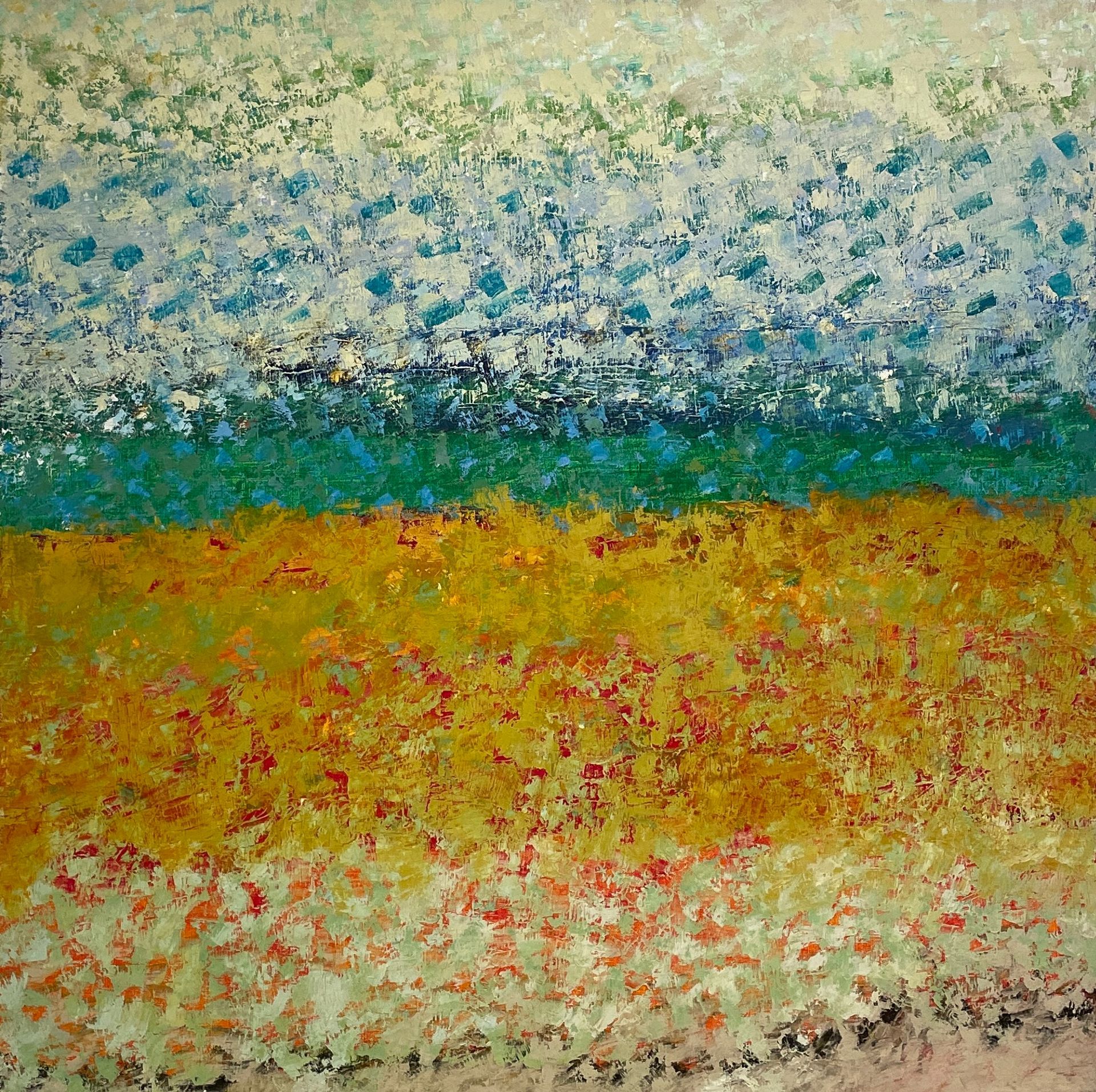
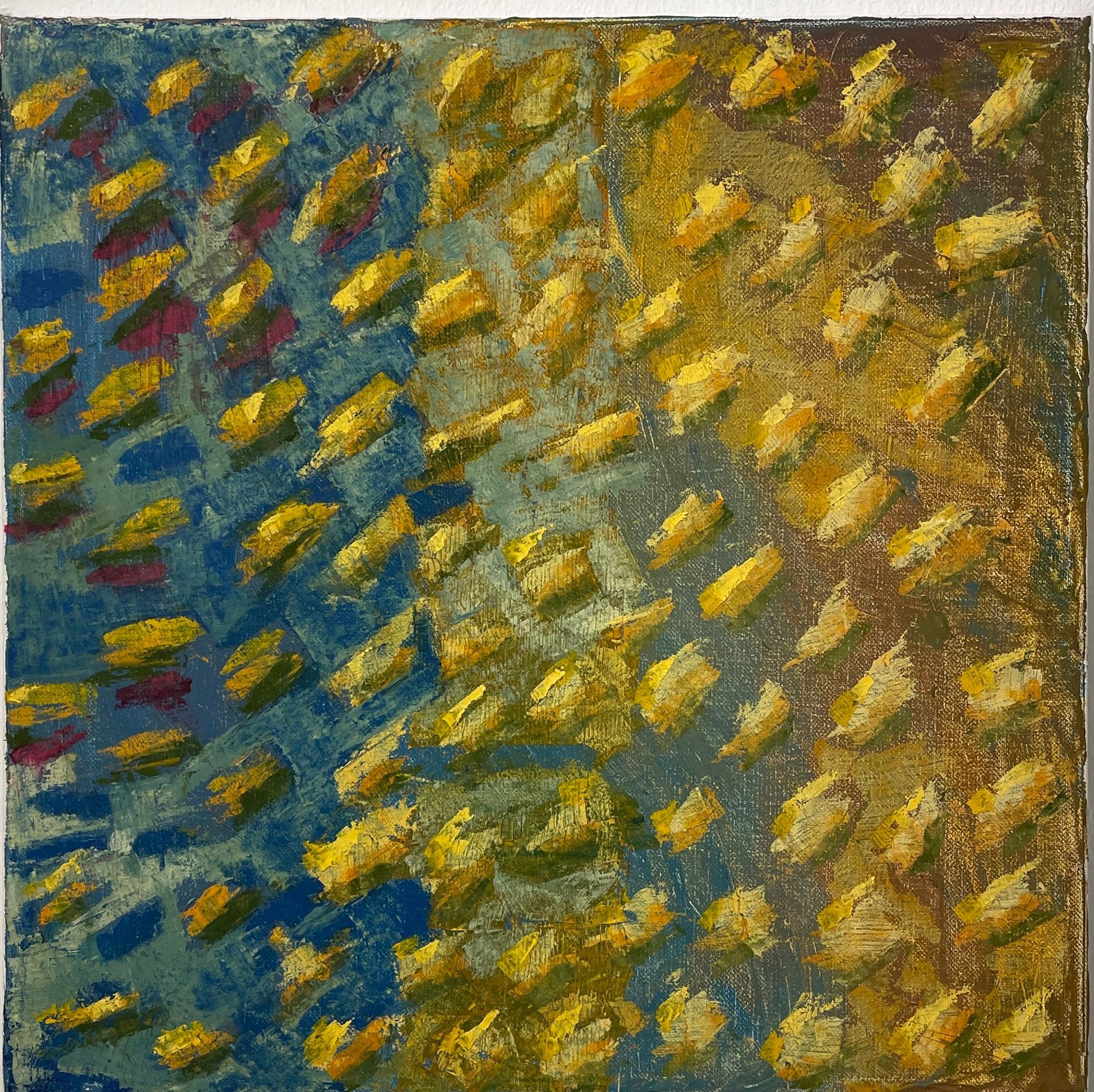
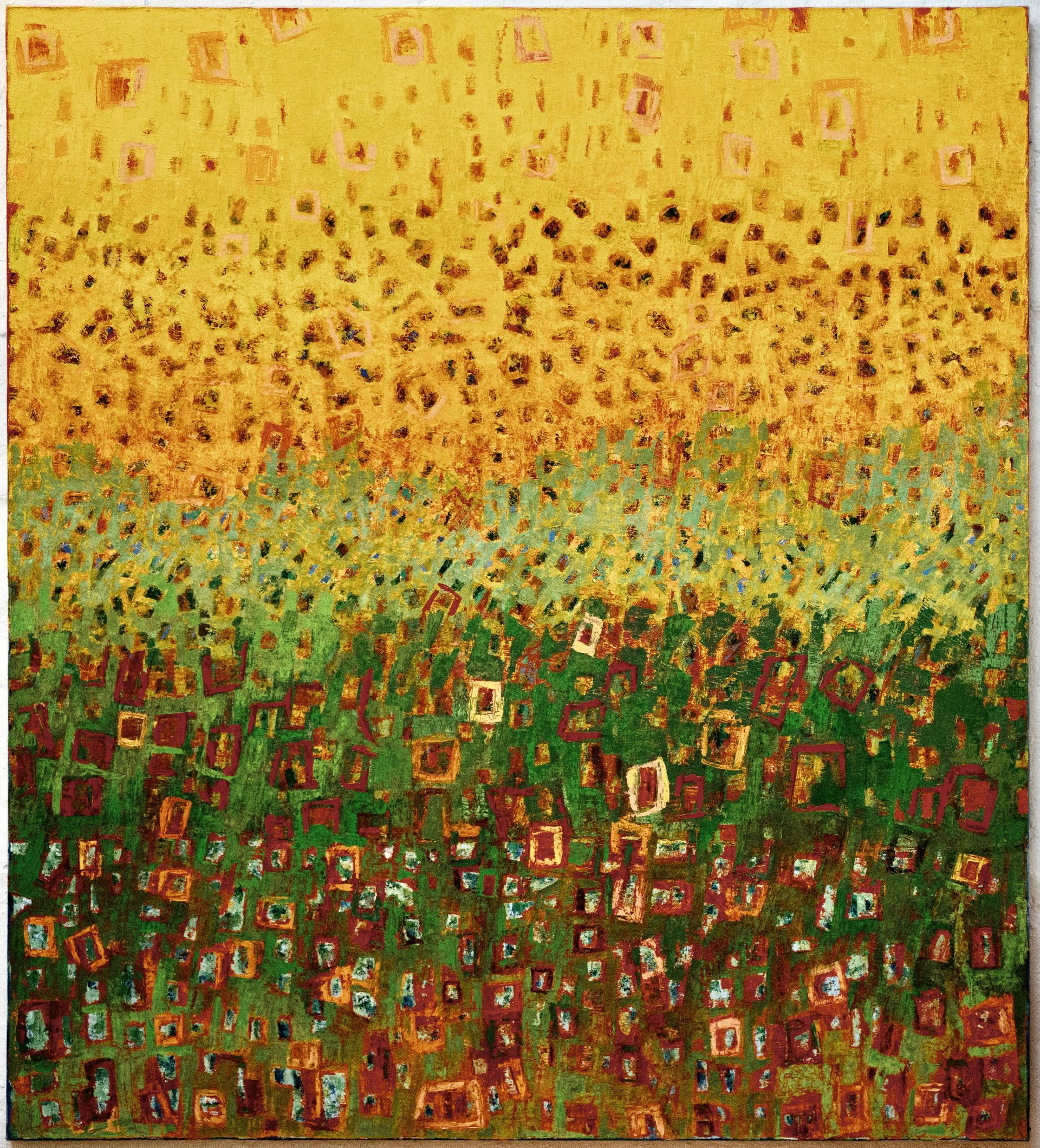
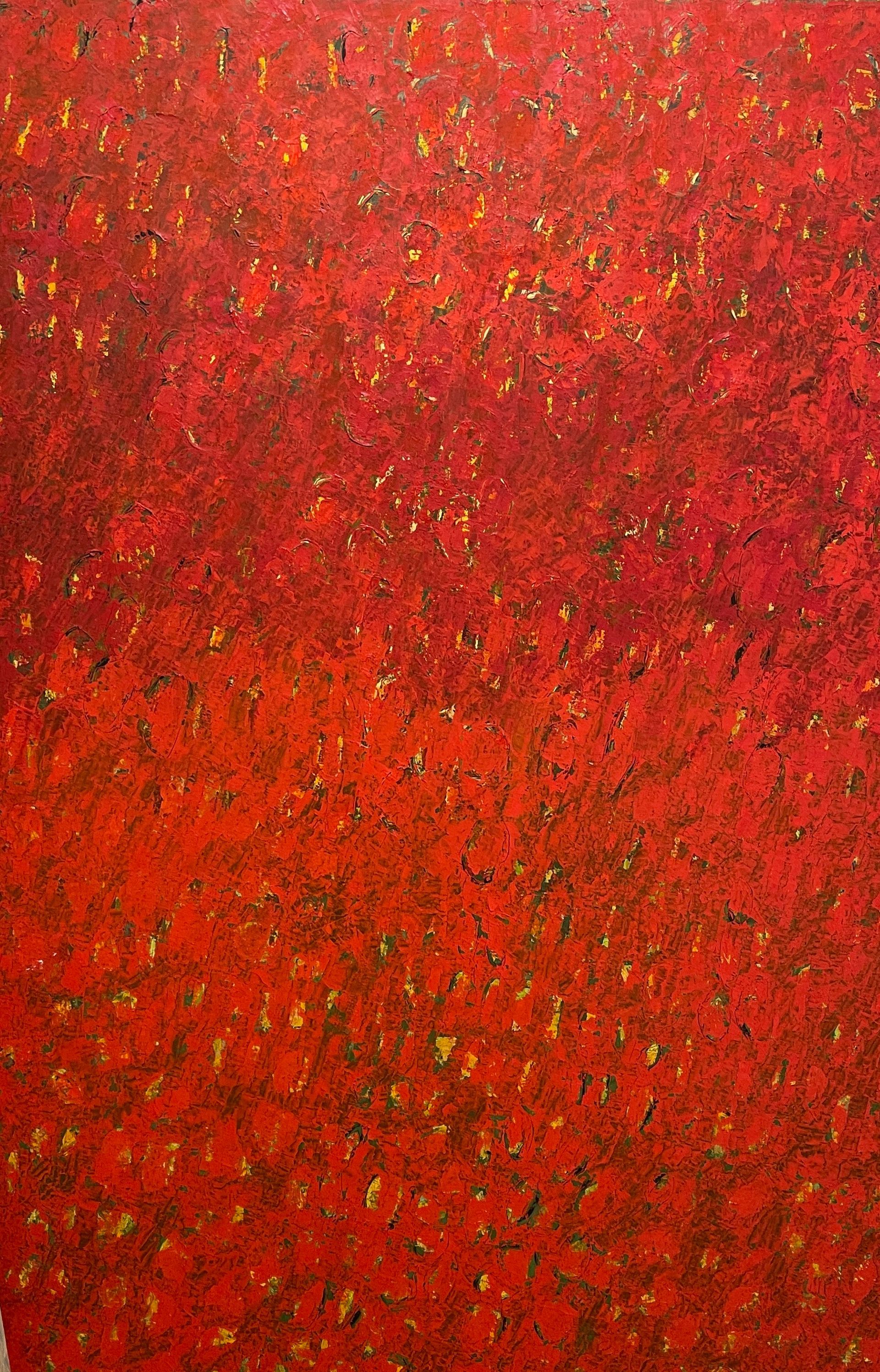
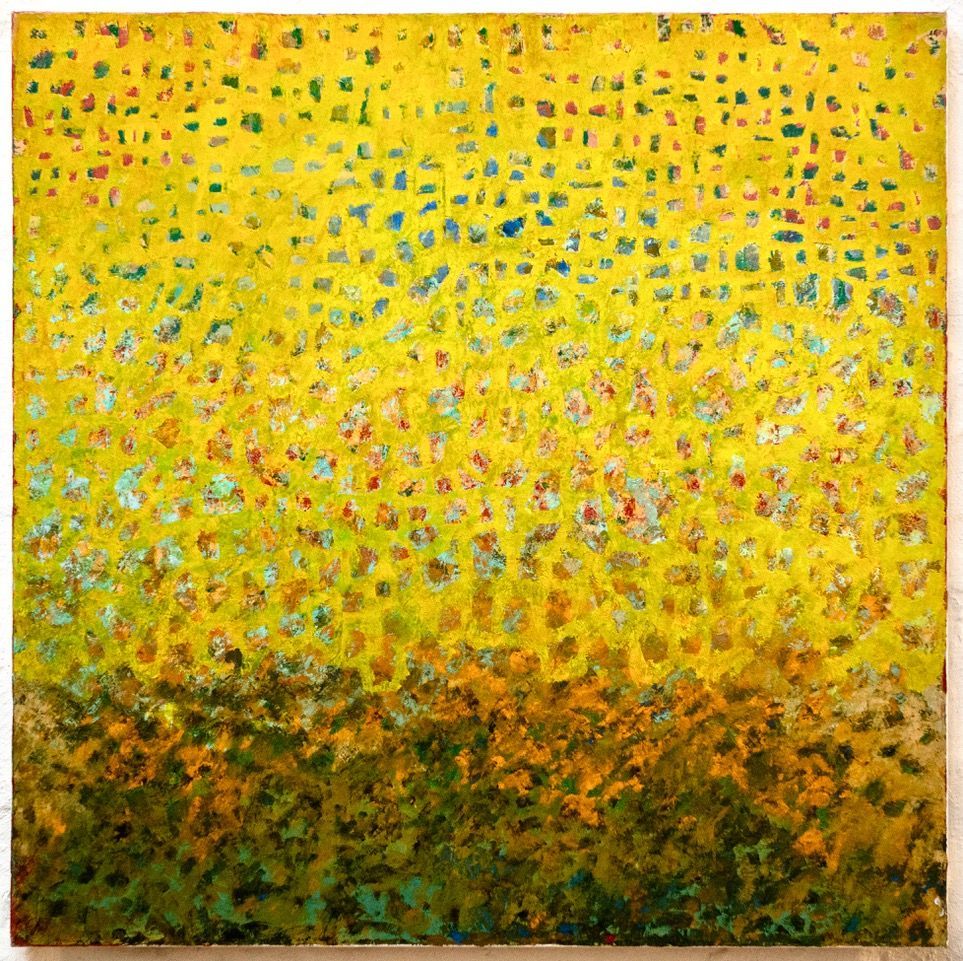
Marita Klaerding works primarily with oil paint, which she applies using both a brush and a palette knife. Both tools offer her different ways to apply paint to the canvas. While a brush allows for nuanced transitions and more delicate brushstrokes, a palette knife can build up paint, emphasize areas, and give the surface a distinct presence. In this way, the painting process itself becomes an integral part of the painting. Color is no longer merely a means of describing objects; rather, it takes on its own impact and meaning.
Today, her paintings no longer arise from direct observation of the Tuscan landscape. Rather, inspiration draws on memories. What remains are the images in her mind: the warm light, the vivid colors, the vastness of the landscape, and those moods that have become etched in her memory over time. Memories are not unaltered reflections of reality. They change, become more concentrated, and lose some details, while other impressions stand out all the more clearly.
This transformation reveals a special connection between landscape and abstraction. External reality no longer needs to be depicted in order to be present in the image. It lives on in color—in the interplay of colors, in contrasts, transitions, and the tension between surfaces. The landscape is, as it were, internalized and takes on a new form of expression that leaves room for the viewer's own feelings and associations.
The exhibition “From Landscape Painting to Abstraction” traces this journey. It tells the story of an artist who, over the course of her career, has increasingly moved away from concrete forms without abandoning her original sources of inspiration. Her painting moves from the external motif to inner perception, from representation to sensation, and from the recognizable object to the autonomous power of color.
The landscape doesn't disappear. It merely changes its form. What was once perceived as a hill, the horizon, or a play of light is now presented to us in a free, painterly language that no longer describes but evokes emotion.
“The landscape remains—not as a representation of reality, but as a memory of light, color, and sensation.”
Anna Maria Troner
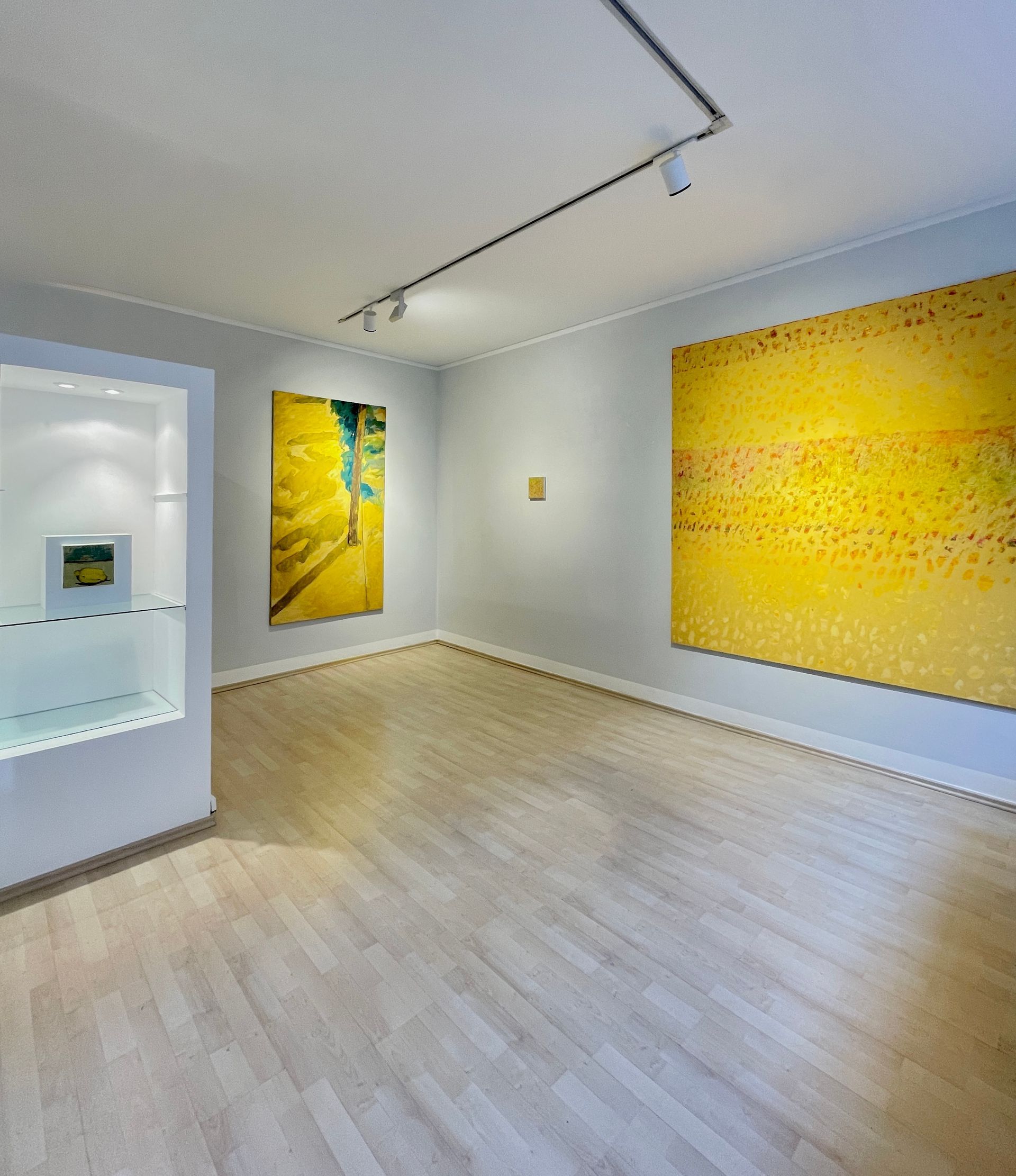
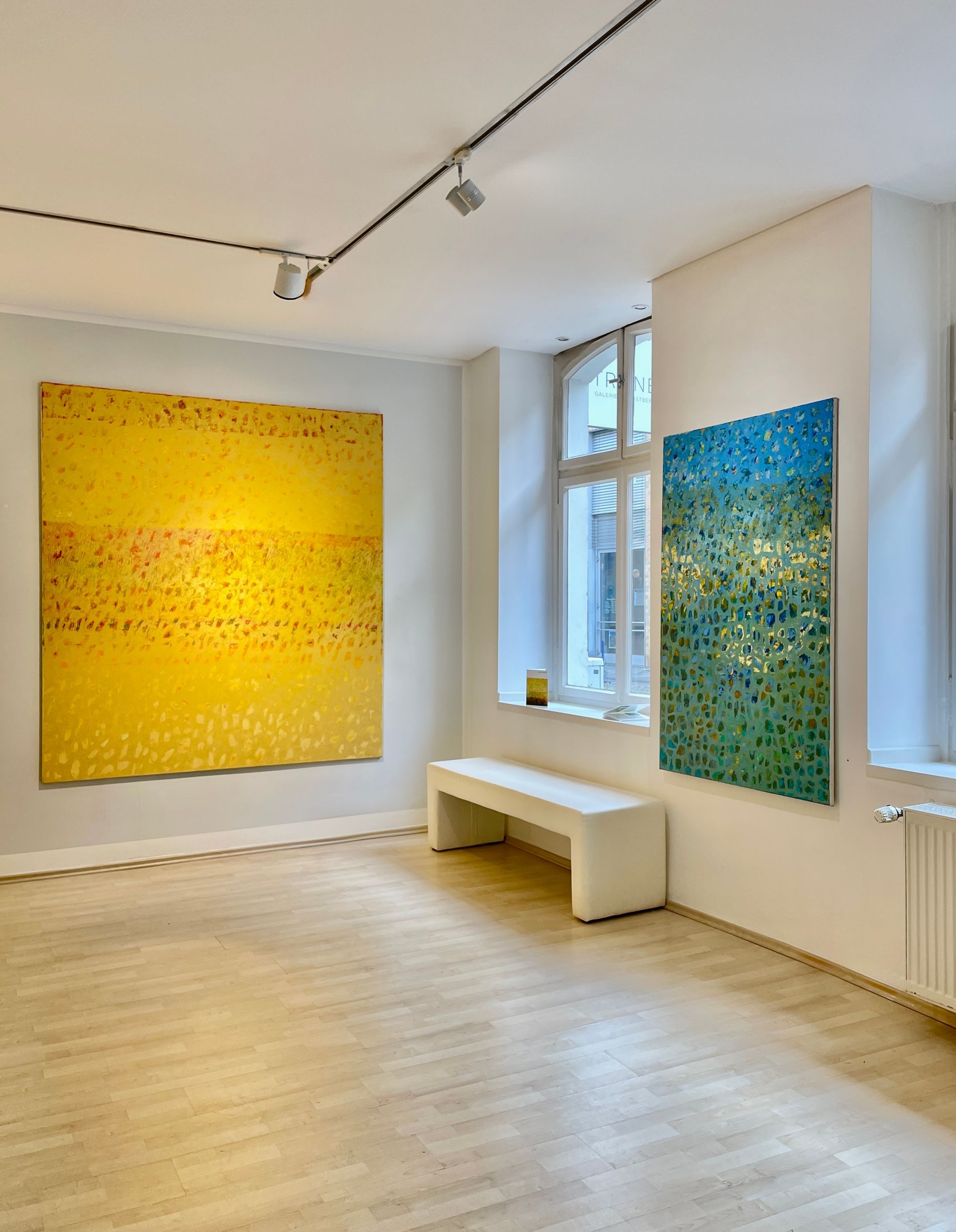
Installations Views
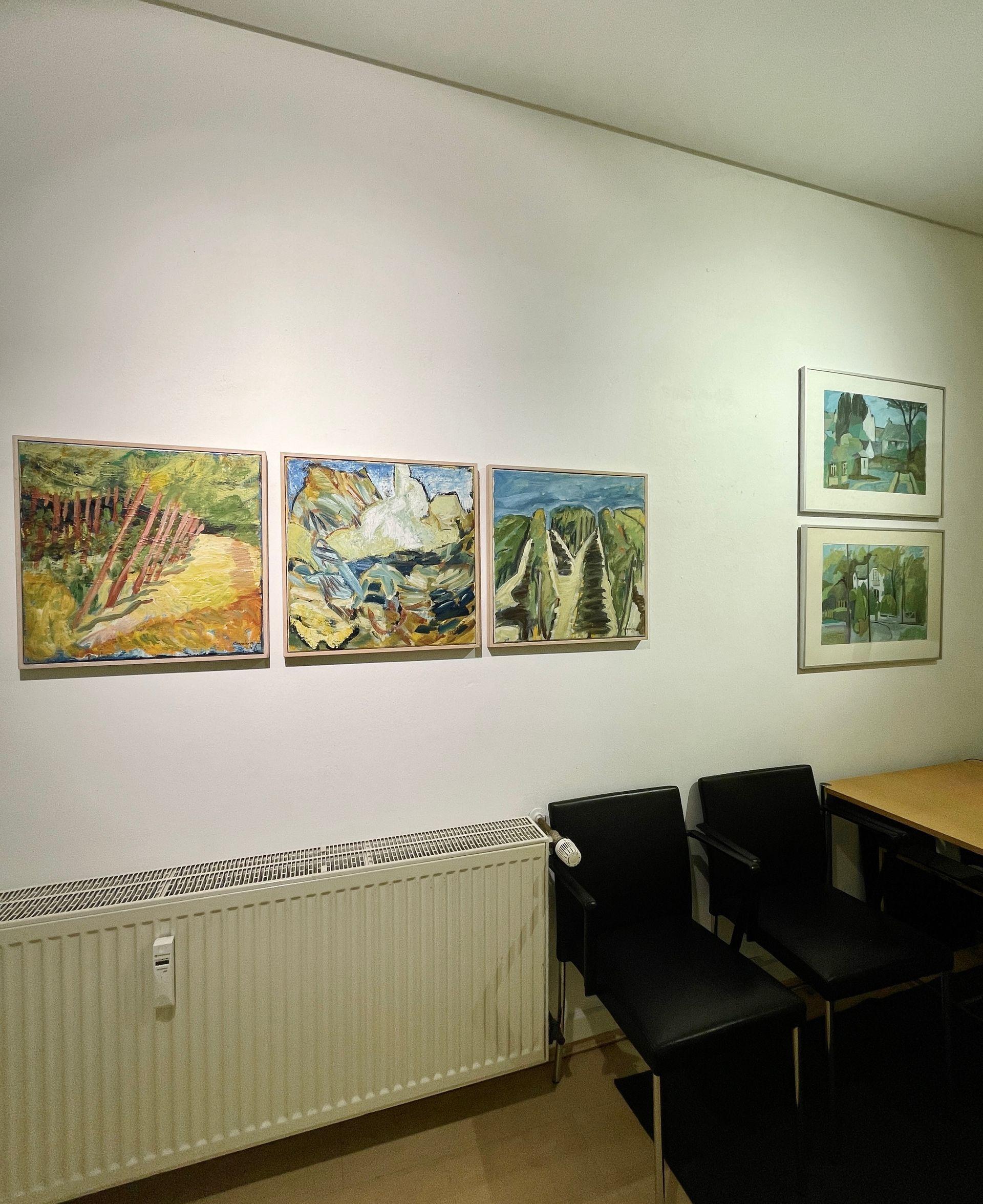
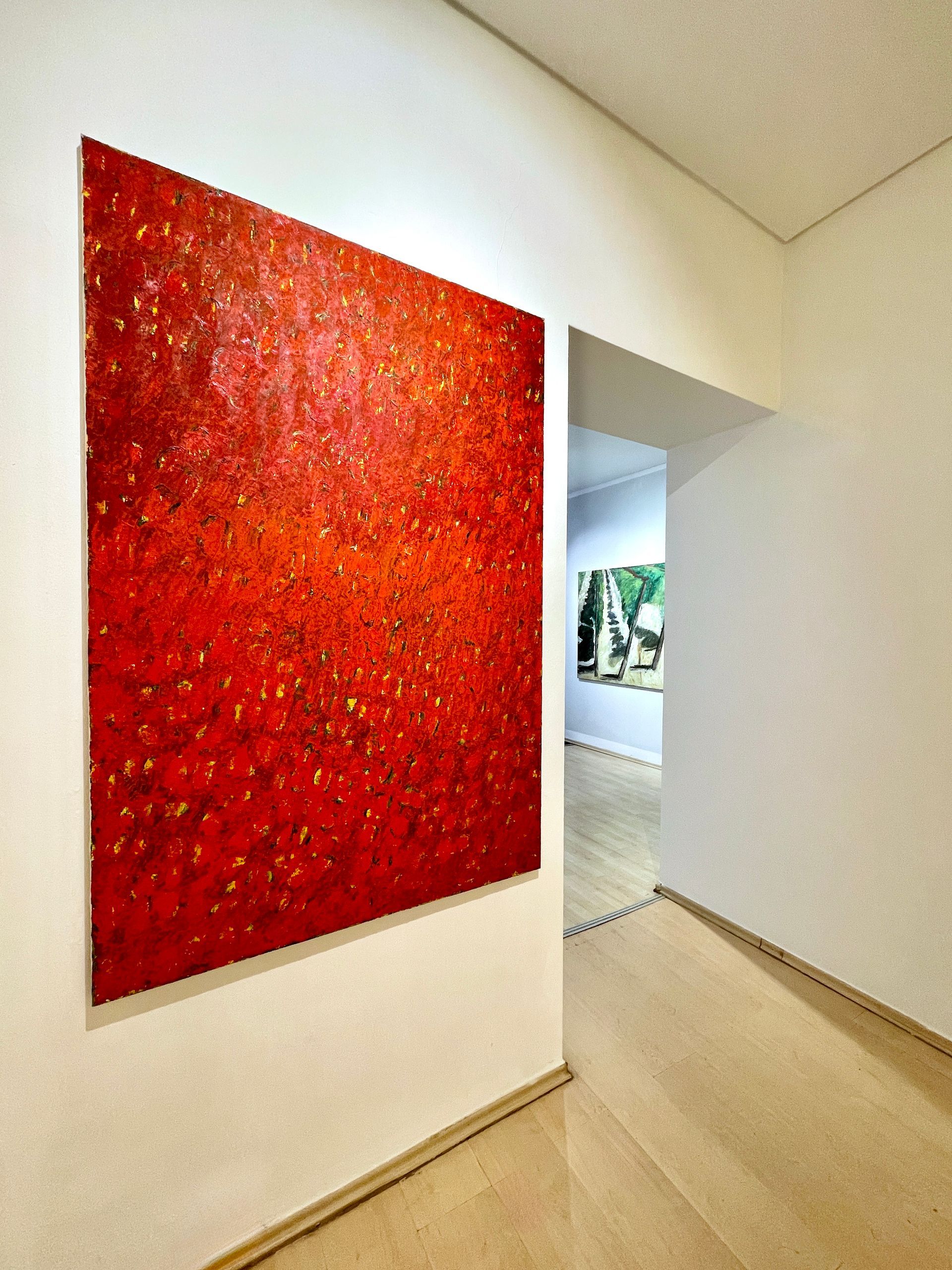
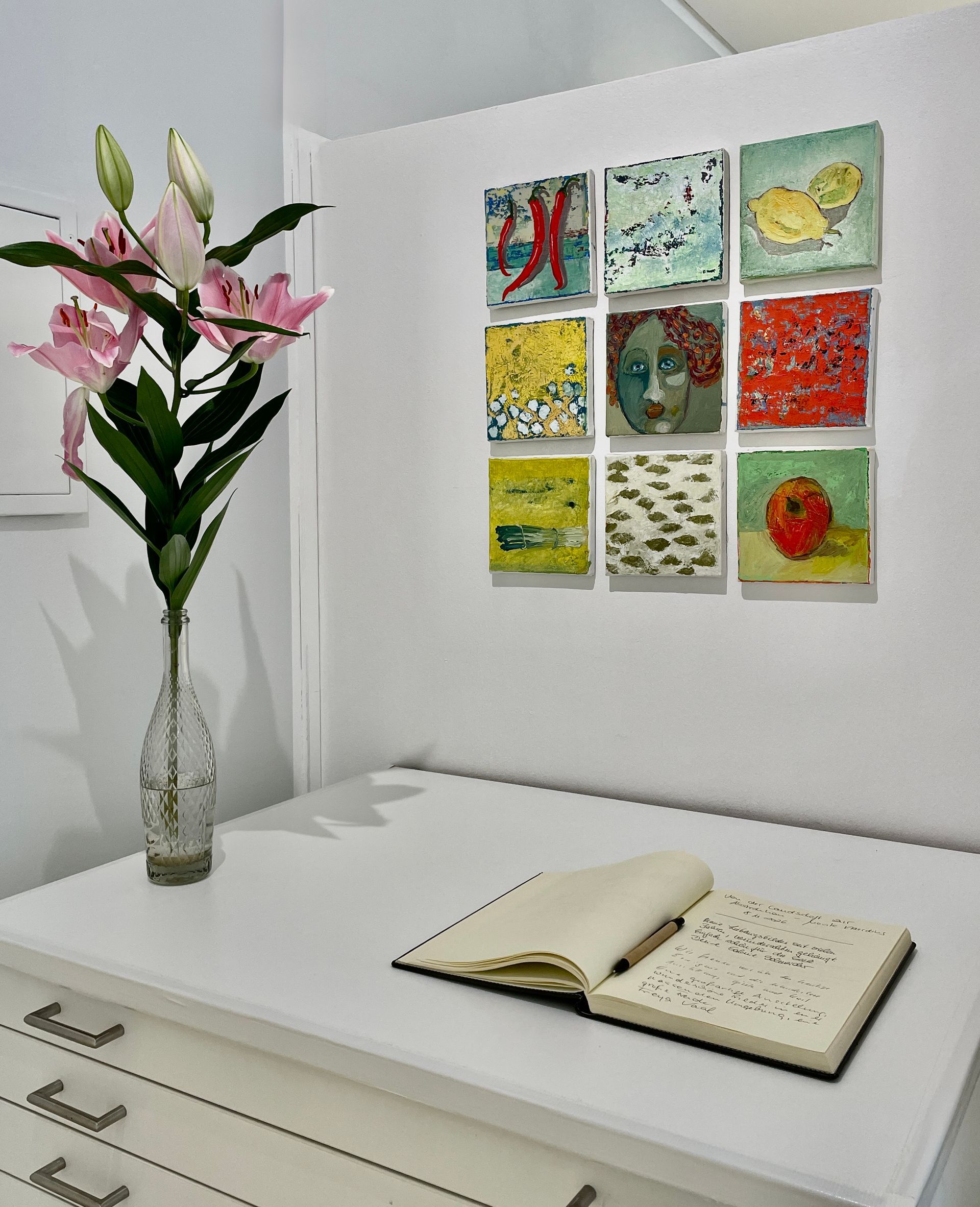
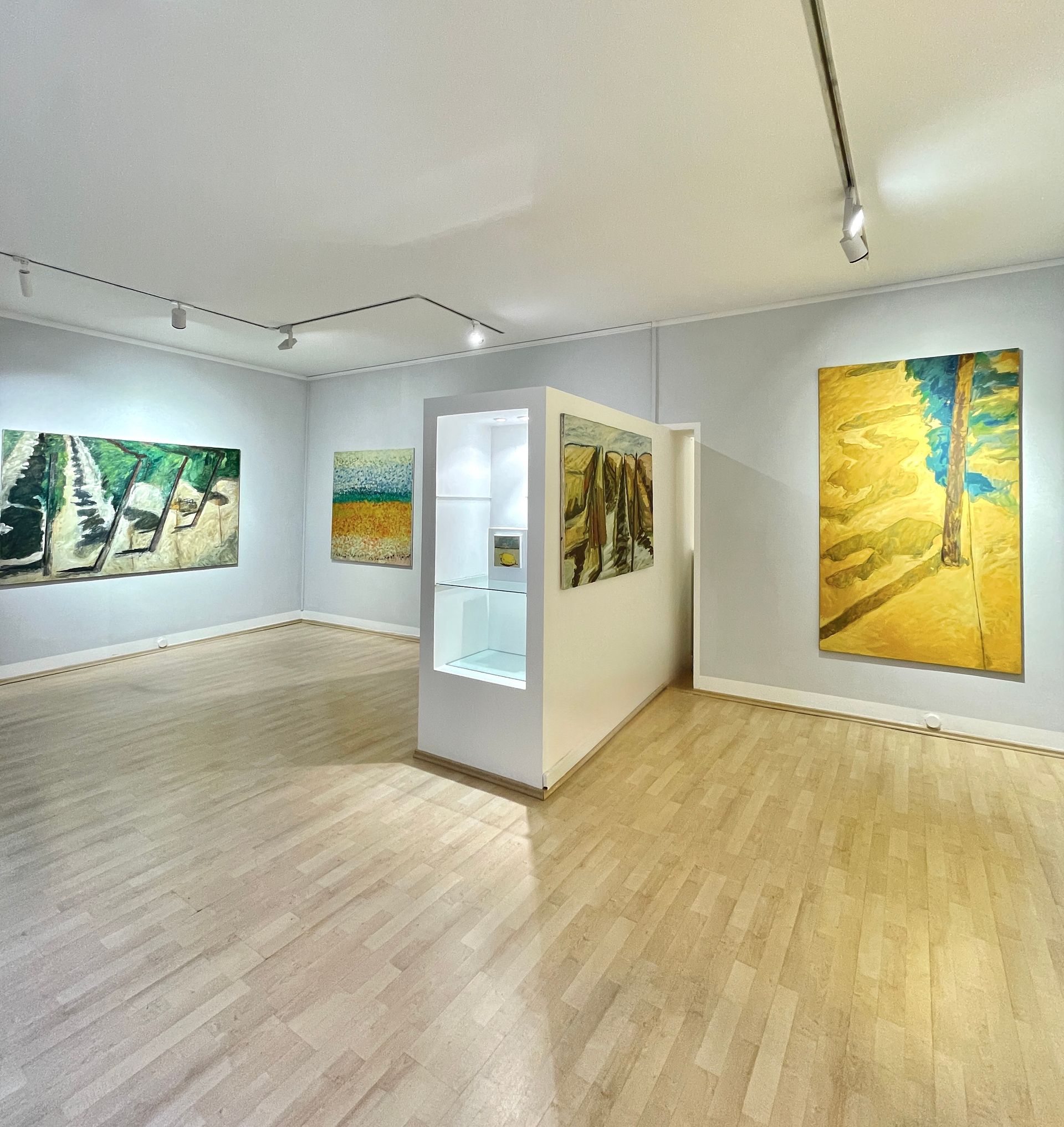
Selected Exhibits
Plan Your Visit
MARITA KLAERDING
"FROM LANDSCAPE TO ABSTRACTION"
Nov 10 - Dec 06, 2026